

Heritage
Saffron robes may mark renunciation, but they do not define it: Swami Niranjanananda

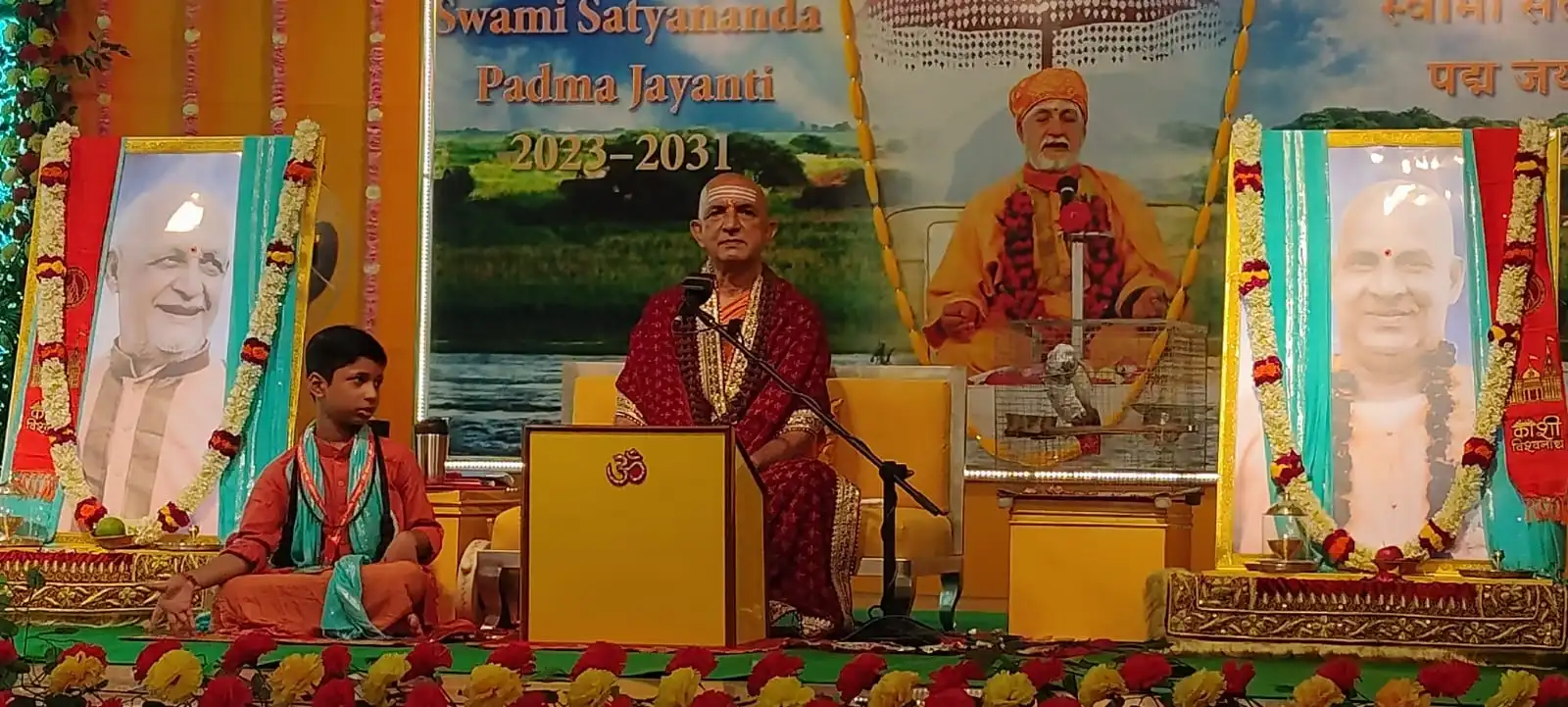
Munger: Saffron robes may signify renunciation, but they do not constitute its true test. Renunciation acquires meaning when a person rises above the confines of the self and dedicates his life to the ideals of his guru and the welfare of humanity. Paramahamsa Swami Satyananda Saraswati lived sannyasa in precisely this larger sense, Paramahamsa Swami Niranjanananda Saraswati said on Saturday.
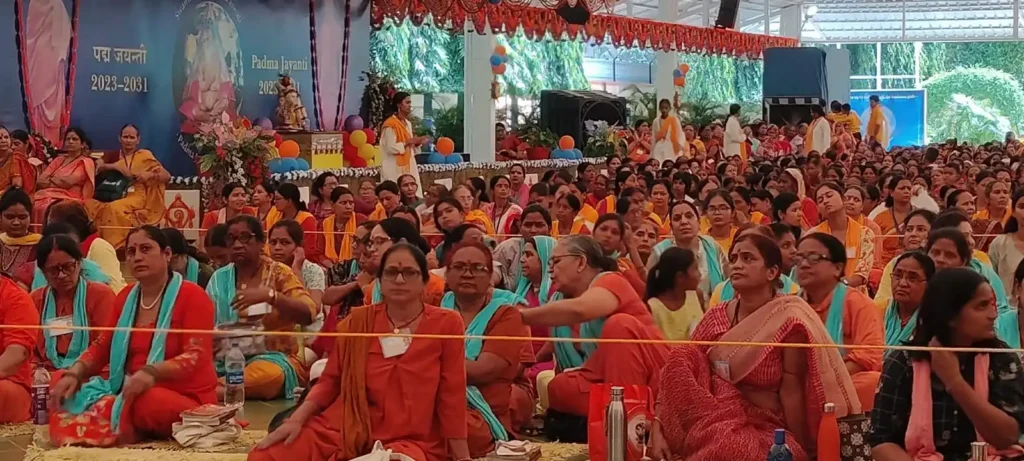
Addressing a gathering at Sannyasa Peeth at Paduka Darshan in Munger on the occasion of the Sannyasa Day of Param Guru Paramahamsa Swami Satyananda Saraswati, Swami Niranjanananda reflected on the meaning of renunciation, the guru-disciple tradition and the responsibility of a sannyasi.
September 12 marks the day on which Swami Satyananda received sannyasa diksha from his guru, Swami Sivananda Saraswati, in Rishikesh in 1947. With that initiation, Swami Satyananda underwent, in a sense, a second birth. He left behind his earlier identity and family associations and embraced a new purpose in life.
The traditional dictum, “Janmana jayate shudrah, samskarad dvija uchyate,” points towards the transformative significance of samskara. Birth marks only the beginning; through discipline, refinement and spiritual transformation, a new dimension of life emerges.
For Swami Satyananda, sannyasa was not an escape from the world. It was a conscious resolve to move beyond the narrow boundaries of the individual self and dedicate oneself to a larger social and spiritual purpose.
Swami Niranjanananda said some people do not live merely for themselves. Their lives are devoted to the welfare of others, and such people become, in a deeper sense, messengers of the divine.
India has a long tradition of sadhus and renunciants belonging to different spiritual orders. But wearing saffron robes or shaving one’s head does not, by itself, make a person a sannyasi. The real test lies in conduct, discipline and dedication. A sannyasi, he said, follows the teachings of the guru and carries forward the guru’s mission.
Referring to the relationship between guru and disciple, Swami Niranjanananda recalled the well-known meeting between Sri Ramakrishna and Narendra, later Swami Vivekananda. When Narendra first came to Ramakrishna, the latter told him that he had been waiting for him and questioned why he had taken so long.
The relationship between Swami Sivananda and Swami Satyananda, he suggested, reflected a similar recognition. When Swami Satyananda accepted his guru’s command and travelled widely to spread the message of yoga, he demonstrated the qualities required to carry forward his guru’s work.
A guru chooses a successor on the basis of patrata—worthiness, discipline, commitment and the ability to carry the guru’s vision forward.
Swami Niranjanananda also spoke about the importance of correction in the guru-disciple relationship. A guru may rebuke those whom he considers his own, he said, because correction helps remove ego, negativity and emotional weakness. Swami Satyananda’s life, he added, was marked by shraddha, love and surrender.
Explaining the wider meaning of Swami Satyananda’s work, Swami Niranjanananda said yoga cannot be reduced to physical exercises. Its larger purpose is to restore balance in human life.
The Satyananda tradition has sought to express this vision through yoga and health, service and charity, and peace and well-being. Excess and imbalance disturb life. The uncontrolled pursuit of bhoga can ultimately lead to roga, while balance creates the conditions for peace and happiness.
Yoga, therefore, also expresses itself through good conduct, compassion and the willingness to help others. Purity of mind and sensitivity towards every living being are essential to a yogic way of life.
Referring to the traditional story of the sadhu and the scorpion, Swami Niranjanananda said goodness must become part of one’s nature. Spiritual practice has meaning when it transforms conduct.
The life of Swami Satyananda, he said, demonstrated that spiritual attainment cannot be separated from service and social responsibility. His work took the message of yoga beyond the confines of an ashram and made it accessible to people across different regions and communities.
Remembering the guru, therefore, should not remain confined to ceremonies. Its real value lies in putting the guru’s teachings into practice.
The Sannyasa Day programme was held alongside the fifth day and concluding ceremony of the Lakshminarayan Mahayajna at Sannyasa Peeth.
The spiritual programme included devotional offerings such as “Gurudev Daya Kar Deena Jane” and “Jai Jai Gange, Har Har Gange.” Devotees collectively chanted “Om Namo Narayanaya” 108 times, followed by the Mahalakshmi Ashtakam.
The gathering also recited:
“Shrimannarayano Jyotiratma
Narayanah Parah.
Narayanah Param Brahma
Narayana Namostute.”
The Sadguru Gayatri and devotional compositions dedicated to the guru were also presented.
The programme featured musical presentations including “Bolo Jai Satyanand” and “Guruvar Satyanand, Jeevan Bane Yog Geet.”
The observance concluded with a reflection on the deeper meaning of sannyasa. For Swami Satyananda, renunciation was not withdrawal from life but its expansion—from the limited self to a larger commitment to humanity.
That, Swami Niranjanananda suggested, is the true measure of a sannyasi: not the colour of the robe, but the life lived beyond the self.




Saffron robes may mark renunciation, but they do not define it: Swami Niranjanananda

Traffic challans dominate Ranchi Lok Adalat

Modi’s 76th birthday: month-long celebrations planned

Sudesh Mahto seeks ST status for Kudmi from Amit Shah

Rural economy key to inclusive growth, says Dipika

Ganga crosses four-year high in Sahibganj at 28.72 metres

JMM seeks probe into donations to unrecognised parties

BJP announces protests across Jharkhand over student cases

Jharkhand minister Sudivya Kumar Sonu dies in Giridih

BJP announces protests across Jharkhand over student cases

Jharkhand power bill to rise from April 1 as JSERC hikes electricity tariff

India International Mega Trade Fair 2026 in Ranchi

Ranchi to Get Jharkhand’s Largest Mall with Integrated ISBT

Palash: How Jharkhand’s Women’s Collective Became a Global Case Study

Bokaro Thermal Power Plant Shut Down, DVC Faces Heavy Costs

Nitin Gadkari Unveils ₹2 Lakh Crore Road Plan for Jharkhand

Toxic Profits: The Hidden Economy Behind India’s Polluted Rivers

Rivers on Life Support: The Poisoned Veins of Eastern India

BMW Industries to Invest Rs 803 Crore in Steel Plant at Bokaro, Jharkhand

Jharkhand Tribal Cinema: From Culture to Commerce

From Welfare to Enterprise: How Rs 2,500 a Month Is Helping Women Build Businesses in Koderma

Jharkhand’s Solar Policy: Decentralised Energy in Practice

JMM Exits Mahagathbandhan, Will Not Contest Bihar Assembly Polls

Birsa Munda’s Legacy Inspires Tribal Enterprise Push
