

Art & Culture
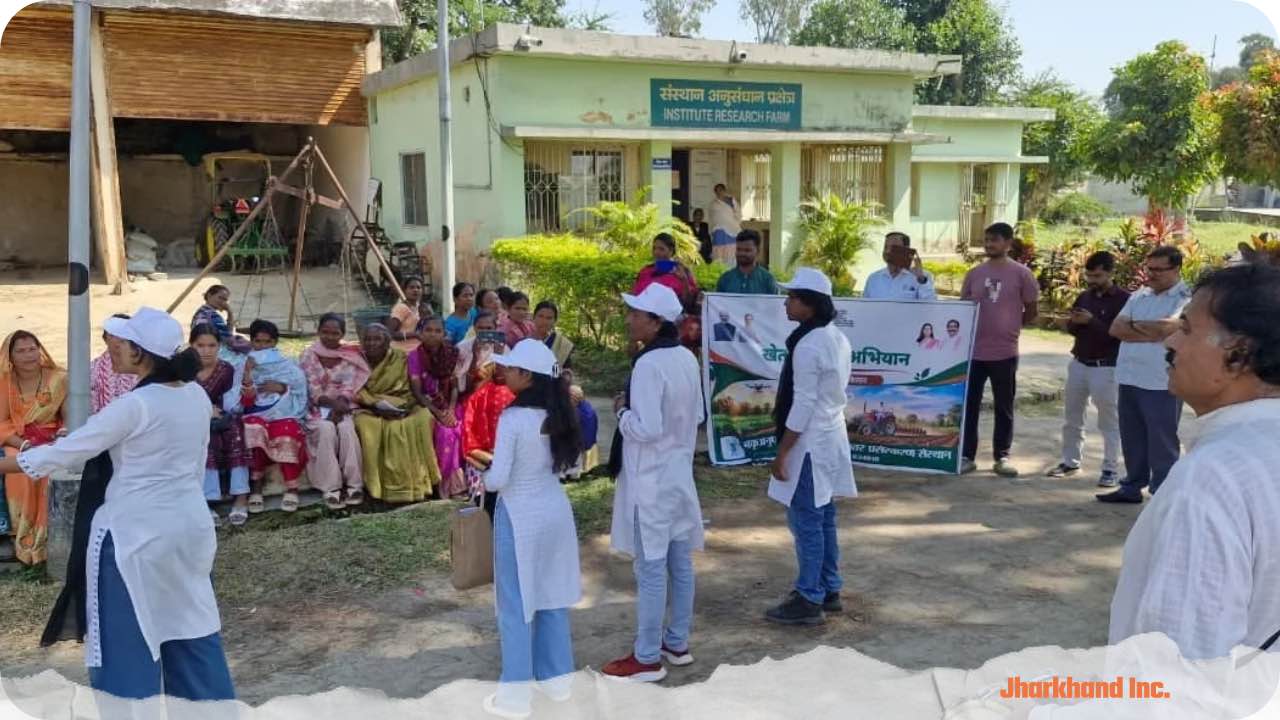
Street play raises awareness of soil conservation among Jharkhand farmers
ICAR-NISA and Ranchi’s plant protection office reach 62 farmers in two Namkum villages through the Khet Bachao campaign





Art & Culture8 minutes ago
Street play raises awareness of soil conservation among Jharkhand farmers

Campus10 hours ago
IIT (ISM) Dhanbad to host national chemistry conference and critical minerals symposium

Sports22 hours ago
Ranchi hosts 15th All India Police Archery Championship

News23 hours ago
Governor inaugurates Swarnim Bharat Expo 2026 in Ranchi

Campus1 day ago
PG admissions: Ranchi University and DSPMU differ on academic score calculation

News2 days ago
Jharkhand Police honours 154 personnel who died in line of duty

Bokaro3 days ago
Hemant Soren inspects under-construction road in Bokaro district

Economy & Development4 days ago
JIIDCO plans 25,000-sq-ft logistics and warehouse facility in Ranchi

Sports5 days ago
Jharkhand to host 15th All India Police Archery Championship from October 22

Economy & Development5 days ago
Jharkhand HC hears BSL blockade plea; all 11 gates reopen

Governance7 months ago
Jharkhand power bill to rise from April 1 as JSERC hikes electricity tariff

Economy & Development8 months ago
India International Mega Trade Fair 2026 in Ranchi

Governance1 year ago
Nitin Gadkari Unveils ₹2 Lakh Crore Road Plan for Jharkhand

Governance1 year ago
Ranchi to Get Jharkhand’s Largest Mall with Integrated ISBT

Governance1 year ago
Palash: How Jharkhand’s Women’s Collective Became a Global Case Study

SOCIETY11 months ago
Bokaro Thermal Power Plant Shut Down, DVC Faces Heavy Costs

Opinion12 months ago
Toxic Profits: The Hidden Economy Behind India’s Polluted Rivers

Opinion12 months ago
Rivers on Life Support: The Poisoned Veins of Eastern India

North Chhotanagpur1 year ago
BMW Industries to Invest Rs 803 Crore in Steel Plant at Bokaro, Jharkhand

Sustainability1 year ago
Jharkhand Tribal Cinema: From Culture to Commerce
Bokaro3 days ago
Hemant Soren inspects under-construction road in Bokaro district
Sports5 days ago
Jharkhand to host 15th All India Police Archery Championship from October 22

Jharkhand3 months ago
From Welfare to Enterprise: How Rs 2,500 a Month Is Helping Women Build Businesses in Koderma

Governance9 months ago
Jharkhand’s Solar Policy: Decentralised Energy in Practice

Governance1 year ago
JMM Exits Mahagathbandhan, Will Not Contest Bihar Assembly Polls

Startups & Innovation1 year ago
Birsa Munda’s Legacy Inspires Tribal Enterprise Push

Sustainability1 year ago