Connect with us

Bokaro

Bokaro Steel Plant Protest: Displacement and Jobs

The call to shut all gates of Bokaro Steel Plant has intensified a longstanding employment dispute. With the administration warning against a complete blockade, the focus is shifting to unresolved apprentice claims, recruitment commitments and the benefits local communities can expect from the proposed expansion.

Published

on

Bokaro Steel Plant Protest: Displacement and Jobs

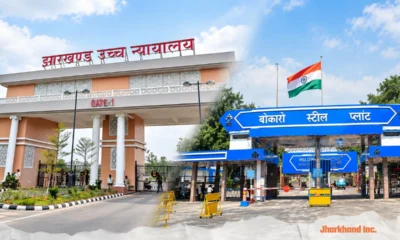
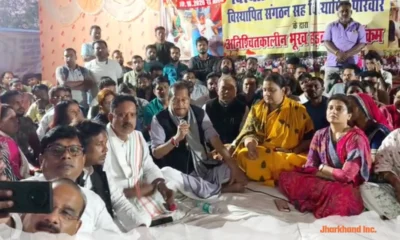
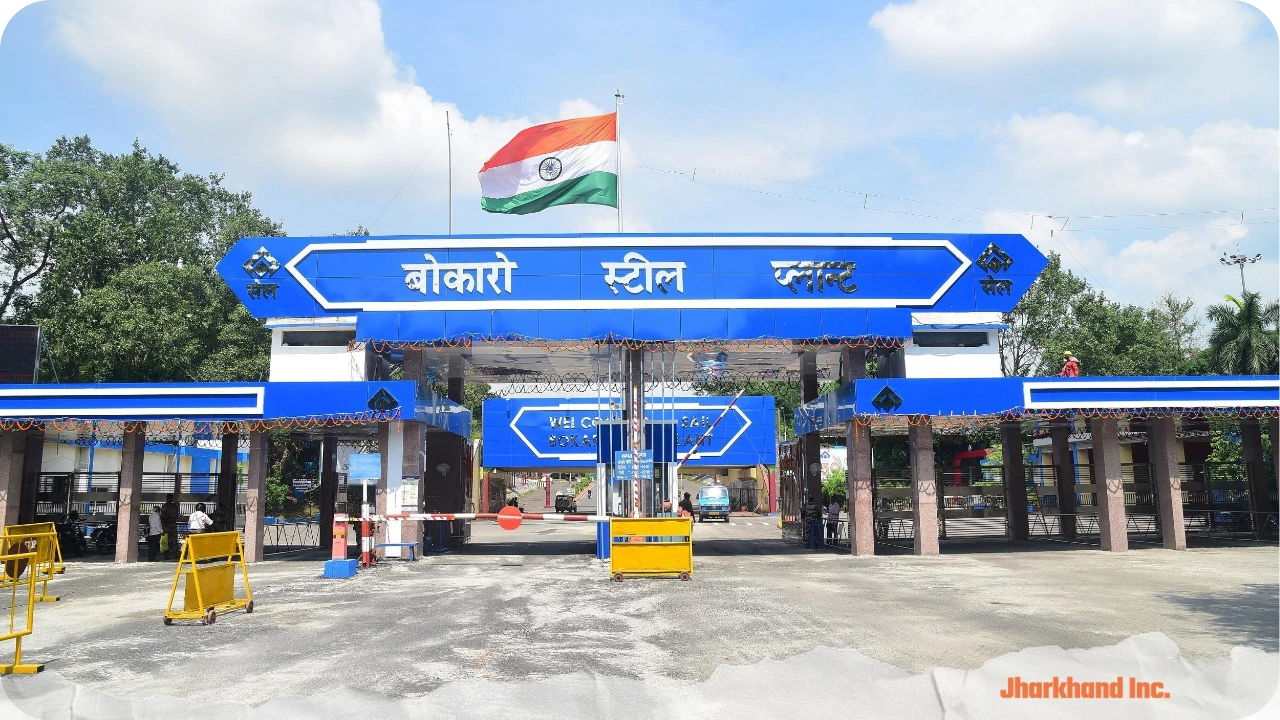
The employment dispute at Bokaro Steel Plant (BSL) escalated on Saturday as the Visthapit Apprentice Sangh called for the closure of all plant gates, prompting the district administration to warn that a complete shutdown of access would not be permitted.

The agitation, which began with an indefinite hunger strike and subsequently expanded into gate blockades, has raised concerns over plant operations, the movement of raw materials and steel dispatch. The immediate confrontation, however, reflects a longer-running dispute over employment opportunities for families displaced by the establishment of the steel plant and for young people who have completed apprenticeship training.

The latest developments also come as BSL pursues a proposed Rs. 20,000-crore expansion. The overlap between the employment agitation and the expansion plan has brought a central question into focus: how will industrial growth translate into opportunities for affected families?

Administration moves to prevent complete blockade

According to published reports on Saturday, Deputy Commissioner Ajay Nath Jha chaired a meeting on Friday night with Superintendent of Police Nathu Singh Meena, senior Central Industrial Security Force (CISF) officials and other authorities. The meeting reportedly continued for around four hours.

The administration decided that protesters would not be allowed to close all access points, with essential movement required for the plant’s technical operations to continue.

On Friday, protesters had blocked several gates while leaving the main gate open. The blockade included Gates 3, 4 and 5, CZ Gate and Mansa Singh Gate, in addition to Gates 9 and 10, according to The Times of India. Reports said the restrictions affected employee movement and the transportation of materials.

The administration’s immediate priority is to prevent a complete disruption. But restoring access alone is unlikely to resolve the underlying dispute unless the parties establish a credible process for addressing the employment claims.

The employment figures remain contested

The current agitation centres on demands for employment for displaced families and trained apprentices. Protesters have referred to approximately 1,500 trained young people and have also sought a clear employment policy for displaced families and restoration of an earlier arrangement for Class IV recruitment.

BSL has presented a different set of figures. In a statement reported by local publication Current Bokaro on October 12, company spokesperson Manikant Dhan said 204 of 950 displaced apprentices on a management list had received contractual employment by October 3. More than 50 additional cases were reportedly under process after safety training. The report also said BSL had earmarked 10% of outsourced manpower in expansion and other projects for displaced people.

These figures require clarification. The relationship between the reported list of 950 and the protesters’ demand involving approximately 1,500 trainees has not been established through independently verified records. It is also necessary to clarify the eligibility criteria, the status of pending applicants and the precise scope of the reported outsourcing arrangement.

The figures should therefore be treated as reported management statements, rather than a complete account of all outstanding claims.

A historical dispute with legal implications

The employment question has deep roots in Bokaro’s industrial history. In a parliamentary response in December 2010, the Union Ministry of Steel said 6,019 families had been categorised as originally displaced in a compilation prepared in 1972. The ministry also reported that BSL had provided employment to more than 16,000 displaced persons. The figures were reiterated in March 2013.

Those historical figures do not establish the status of every current claim, particularly where applications involve later generations or specific apprenticeship arrangements.

The legal position also requires distinction. In a January 2012 judgment involving employment claims by displaced persons, the Jharkhand High Court held that land acquisition alone does not automatically create a right to appointment in an industry.

Similarly, completing an apprenticeship does not by itself guarantee permanent employment. The terms of any specific agreement, applicable recruitment rules and individual eligibility must be examined before determining whether a particular claim creates an enforceable obligation.

The critical question is whether a written agreement or policy governs the current applicants and, if so, whether its provisions have been implemented.

Expansion raises the stakes

In January 2025, the Ministry of Steel announced a Rs. 20,000-crore expansion and modernisation plan for BSL. The proposal envisaged raising hot metal production capacity from 5.25 million tonnes per annum to 7.55 million tonnes per annum. The announcement also referred to an estimated 2,500 permanent or direct jobs and 10,000 indirect employment opportunities.

These are projected employment figures, not confirmed vacancies or completed appointments. Direct employment, contractual work and indirect opportunities have different requirements and conditions.

For displaced families, the expansion presents an opportunity to seek greater clarity on recruitment, skills requirements and the availability of jobs. BSL would need to explain which positions are expected to be created, what qualifications they require and how the reported allocation for displaced people in outsourced work will operate in practice.

The expansion also has a wider local development dimension. Residents from 19 villages reportedly raised concerns about employment, rehabilitation, pollution and local development during a public hearing on the proposed project in 2025.

Industrial investment can increase production and generate demand for services, but its benefits do not automatically translate into permanent jobs for every affected household. Transparent recruitment and a clear mechanism for examining outstanding claims are therefore central to managing expectations.

From confrontation to accountability

The latest blockade threat puts pressure on the administration to maintain access and on BSL to engage with the protesters. Political representatives, including Bokaro MLA Shwettaa Singh and JLKM MLA Jairam Mahato, have been associated with the agitation, according to published reports.

A lasting resolution will require more than assurances. BSL and the district administration need to clarify the status of the apprentice lists, explain discrepancies in the reported figures and establish whether any written employment commitments remain pending. The latest administrative meeting’s decisions and timelines also need to be made clear.

The Rs. 20,000-crore expansion makes these questions more consequential. Its success will be judged primarily through investment and production, but the relationship between the plant and displaced communities will also depend on whether employment claims are assessed transparently and recruitment opportunities are communicated credibly.

The immediate challenge is to prevent a complete blockade. The longer-term test is whether BSL and the administration can turn a recurring employment dispute into a transparent, time-bound process that distinguishes legal entitlement from employment expectations and gives displaced families a clear account of their claims and opportunities.

Continue Reading
Click to comment

Leave a Reply

Your email address will not be published. Required fields are marked *

Advertisement iprdAD300