Administration
Jharkhand Begins Seed Distribution as Monsoon Arrives, 45,000 Quintals Ordered
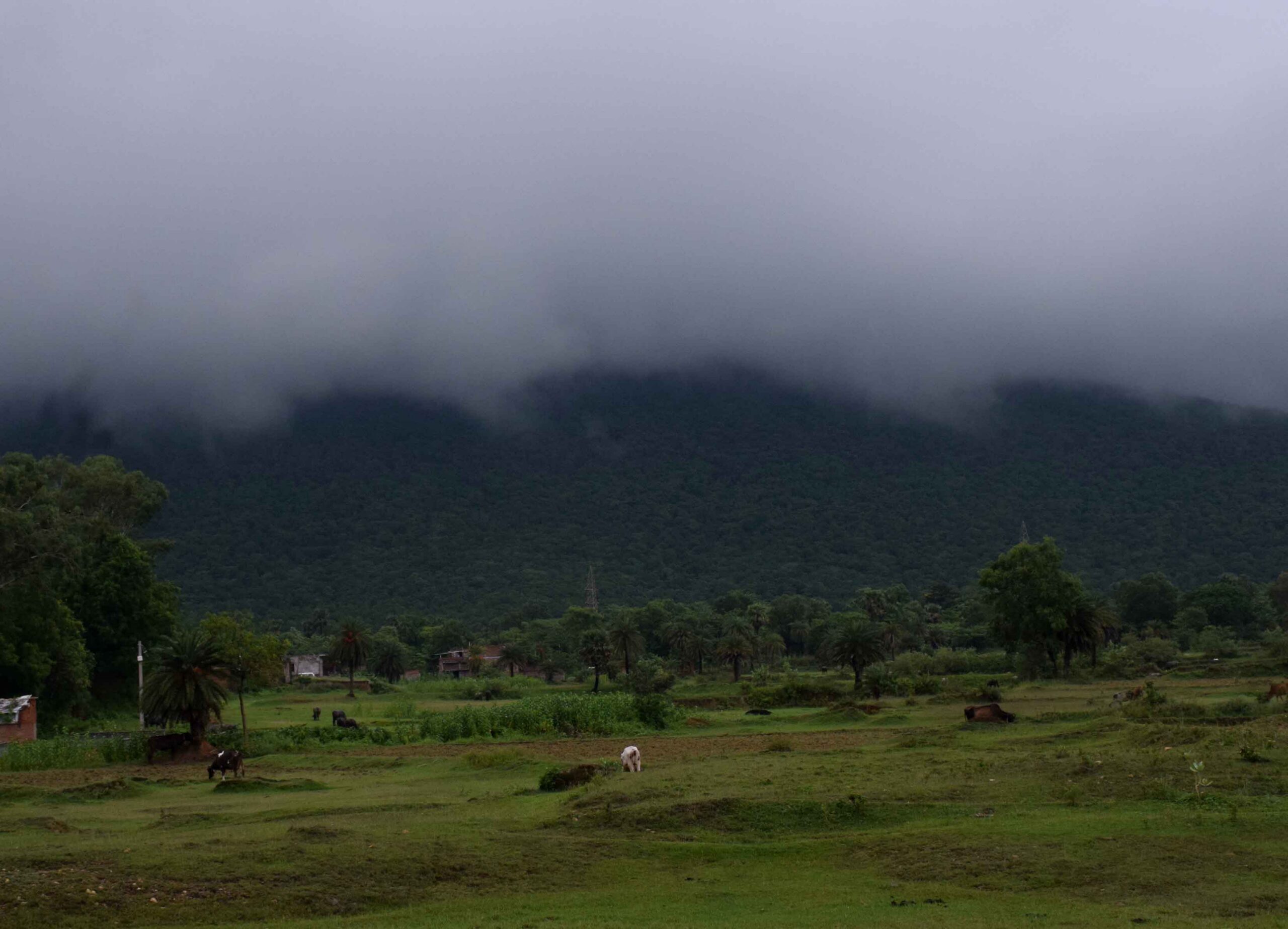
With the monsoon reaching Jharkhand, the Agriculture Department has launched a state-wide seed distribution drive for the 2026 kharif season. Authorities have ordered 45,000 quintals of paddy seeds and introduced strict monitoring measures, including geo-tagging and inspections of seed dealers, to ensure farmers receive quality seeds on time.
Published
3 months agoon
Ranchi : With the southwest monsoon entering Jharkhand through the Santhal Pargana region, the state’s agriculture machinery has shifted into high gear, launching what could be one of the most closely monitored seed distribution exercises in recent years.
The Agriculture Department has directed district officials to ensure timely availability of subsidised seeds while simultaneously tightening surveillance against overpricing, fake seeds and irregular distribution practices. The move comes at a crucial time for a state where agriculture remains overwhelmingly dependent on rainfall.
Agriculture Director Vidyanand Sharma Pankaj said the department has completed preparations for seed distribution and instructed all district agriculture officers to ensure that farmers receive seeds before the sowing window narrows.
The department has ordered the supply of 45,000 quintals of paddy seeds, including 33,000 quintals of non-hybrid varieties and 12,000 quintals of hybrid seeds. Supplies are being sourced through central agencies including the National Seeds Corporation and HIL India. Separate arrangements have also been made for pulses and oilseed crops through Uttarakhand Seeds and Tarai Development Corporation.
Officials admitted that procurement delays had affected the distribution schedule this year. However, with monsoon activity now underway, the department expects supplies to reach districts in time for kharif cultivation.
The first phase of distribution will begin on June 15 from the Santhal Pargana division, traditionally the earliest region in Jharkhand to begin paddy transplantation. District authorities have been instructed to ensure that seeds reach eligible farmers and are used for cultivation rather than diverted elsewhere.
In a significant step towards transparency, the government has mandated geo-tagging of fields where subsidised seeds are sown. Officials will verify whether farmers who received seeds have actually cultivated the land and whether allocations match the size of their holdings.
The department has also announced a crackdown on counterfeit and substandard seeds. District officials have been directed to inspect around 75 per cent of licensed seed outlets every week on a rotational basis. Suspected samples will be tested in laboratories, and criminal cases may be lodged against dealers found violating quality standards.
The emphasis on seed quality reflects a larger challenge facing Jharkhand agriculture. Despite being rich in natural resources, the state continues to suffer from inadequate irrigation infrastructure. As a result, most farmers depend on the arrival, spread and consistency of monsoon rainfall.
Last year, the state targeted paddy cultivation across nearly 17.9 lakh hectares, alongside substantial acreage under maize, pulses, oilseeds and coarse grains. Similar targets are expected this year, though official kharif projections are yet to be announced.
The success of the upcoming agricultural season will depend not only on rainfall but also on how effectively the administration executes its distribution programme. For thousands of farming households, the timely arrival of quality seeds may prove just as important as the timely arrival of the monsoon itself.
You may like
-
Rural economy key to inclusive growth, says Dipika
-
From Welfare to Enterprise: How Rs 2,500 a Month Is Helping Women Build Businesses in Koderma
-
Hemant Soren pushes climate-smart farming at agriculture fair
-
How Pearl Farming Is Transforming Rural Livelihoods
-
From Land to Livelihood in Godda
-
Several Budgeted Projects Failed on Ground
Saffron robes may mark renunciation, but they do not define it: Swami Niranjanananda
Traffic challans dominate Ranchi Lok Adalat
Modi’s 76th birthday: month-long celebrations planned
Sudesh Mahto seeks ST status for Kudmi from Amit Shah
Rural economy key to inclusive growth, says Dipika
Ganga crosses four-year high in Sahibganj at 28.72 metres
JMM seeks probe into donations to unrecognised parties
BJP announces protests across Jharkhand over student cases
Jharkhand minister Sudivya Kumar Sonu dies in Giridih
BJP announces protests across Jharkhand over student cases
Jharkhand power bill to rise from April 1 as JSERC hikes electricity tariff
India International Mega Trade Fair 2026 in Ranchi
Palash: How Jharkhand’s Women’s Collective Became a Global Case Study
Ranchi to Get Jharkhand’s Largest Mall with Integrated ISBT
Bokaro Thermal Power Plant Shut Down, DVC Faces Heavy Costs
Toxic Profits: The Hidden Economy Behind India’s Polluted Rivers
Rivers on Life Support: The Poisoned Veins of Eastern India
BMW Industries to Invest Rs 803 Crore in Steel Plant at Bokaro, Jharkhand
Jharkhand Tribal Cinema: From Culture to Commerce
Jharkhand’s First Flying Institute Takes Off After 17-Year Wait
From Welfare to Enterprise: How Rs 2,500 a Month Is Helping Women Build Businesses in Koderma
Jharkhand’s Solar Policy: Decentralised Energy in Practice
JMM Exits Mahagathbandhan, Will Not Contest Bihar Assembly Polls
Birsa Munda’s Legacy Inspires Tribal Enterprise Push