

Opinion
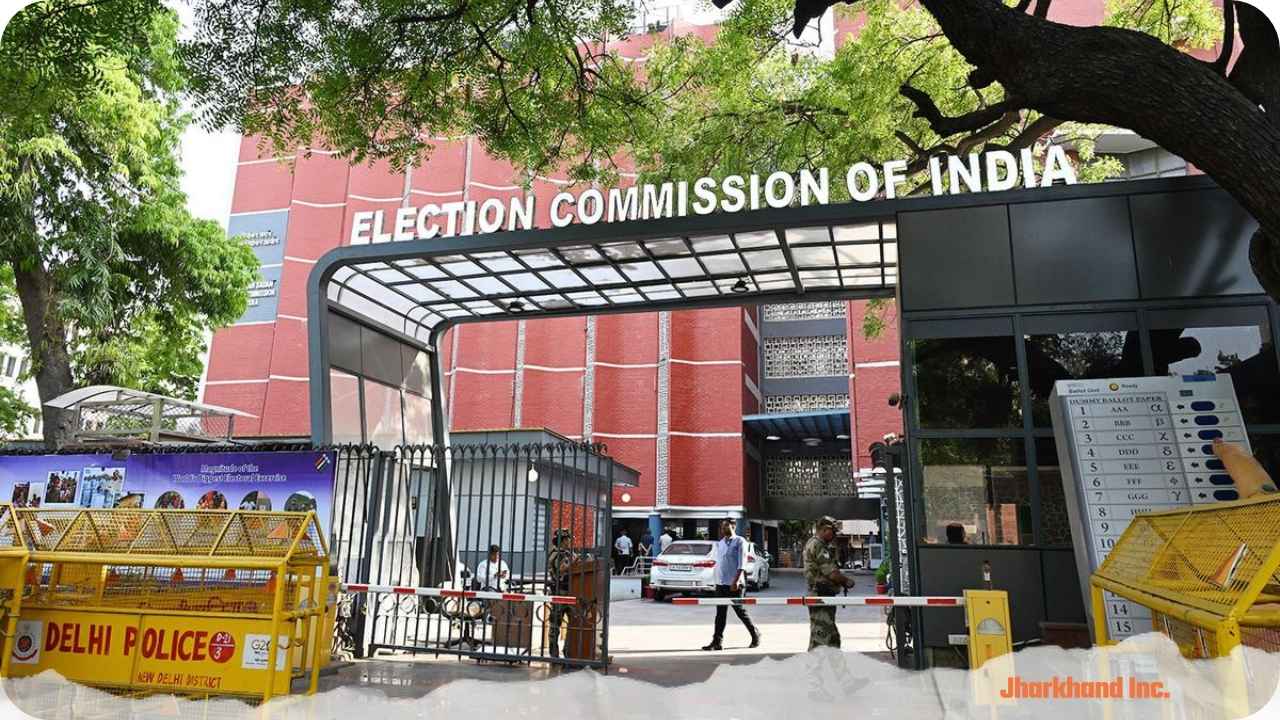
Election Commissioners’ Legal Immunity: Protection or Lack of Accountability?
Former Rajya Sabha MP Mahesh Poddar examines the legal protection available to Election Commissioners, its constitutional implications and the need to balance institutional independence with accountability and the rule of law.



Education7 minutes ago
Jharkhand plans multilingual education policy to integrate mother tongues, Hindi and English

Opinion10 hours ago
Election Commissioners’ Legal Immunity: Protection or Lack of Accountability?

Legal2 days ago
CJI inaugurates Rs 35 crore data centre at Jharkhand High Court

Corporate & Large Entities2 days ago
Ambuja Cements plans Rs. 14,500-crore expansion, proposes 2.9 MTPA unit in Godda

Politics3 days ago
BJP’s ‘Save Democracy’ march in Ranchi draws counterattack from Congress

Analysis3 days ago
Hemant Is With Rahul, But Whose Political Agenda?

Analysis3 days ago
Can Jairam Mahto Emerge as Jharkhand’s Third Political Force?

Governance4 days ago
SIR Fraud Alert: Jharkhand CEO warns voters against fake verification emails

Society & Public Life4 days ago
JTET Today: 5.65 lakh candidates to appear at 986 centres across Jharkhand
Analysis4 days ago
Hemant Soren in Delhi: Why Jharkhand, Not National Visibility, Remains His Political Centre

Governance7 months ago
Jharkhand power bill to rise from April 1 as JSERC hikes electricity tariff

Governance1 year ago
Nitin Gadkari Unveils ₹2 Lakh Crore Road Plan for Jharkhand

Economy & Development8 months ago
India International Mega Trade Fair 2026 in Ranchi

Governance1 year ago
Ranchi to Get Jharkhand’s Largest Mall with Integrated ISBT

SOCIETY12 months ago
Bokaro Thermal Power Plant Shut Down, DVC Faces Heavy Costs

Governance1 year ago
Palash: How Jharkhand’s Women’s Collective Became a Global Case Study

Opinion12 months ago
Toxic Profits: The Hidden Economy Behind India’s Polluted Rivers

Opinion1 year ago
Rivers on Life Support: The Poisoned Veins of Eastern India

North Chhotanagpur1 year ago
BMW Industries to Invest Rs 803 Crore in Steel Plant at Bokaro, Jharkhand

Sustainability1 year ago
Jharkhand Tribal Cinema: From Culture to Commerce

Bokaro2 weeks ago
Hemant Soren inspects under-construction road in Bokaro district

Sports2 weeks ago
Jharkhand to host 15th All India Police Archery Championship from October 22

Jharkhand4 months ago
From Welfare to Enterprise: How Rs 2,500 a Month Is Helping Women Build Businesses in Koderma

Governance10 months ago
Jharkhand’s Solar Policy: Decentralised Energy in Practice

Governance1 year ago
JMM Exits Mahagathbandhan, Will Not Contest Bihar Assembly Polls

Startups & Innovation1 year ago
Birsa Munda’s Legacy Inspires Tribal Enterprise Push

Sustainability1 year ago