SOCIETY
Asia’s Largest Lac Plantation in Palamu to Be Revived
Asia’s largest lac plantation in Jharkhand’s Palamu district is set for revival after years of shutdown, promising employment and economic growth for local communities.
Published
8 months agoon
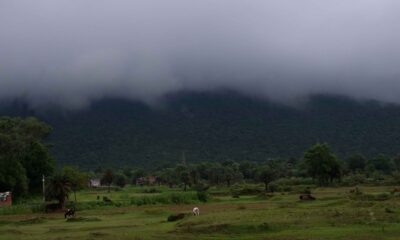
Asia’s largest lac plantation located at Kundri village in Lesliganj block of Palamu district is set to be revived following a renewed initiative by the Jharkhand government. Spread over 421 acres and home to nearly 90,000 palash trees, the plantation is expected to play a key role in strengthening the rural economy and creating large-scale employment opportunities.
The plantation comes under the jurisdiction of the Jharkhand Forest Department, while lac production activities are handled by the Jharkhand State Livelihood Promotion Society (JSLPS). Production had remained suspended since the Covid-19 pandemic, despite a formal agreement signed between the two agencies in 2019–20.
Finance Minister Radhakrishna Kishore recently visited the site, assessed the current condition of the plantation, and interacted with officials and villagers. He directed the departments concerned to prepare a Detailed Project Report (DPR) and formulate a structured revival plan. Officials said multiple rounds of consultations are underway to ensure sustainable operations and long-term security of the plantation.
The minister said reviving Asia’s largest lac plantation would boost state revenue, generate employment for local communities and establish Palamu as a major centre for lac-based industry. He also assured that entrepreneurs willing to set up lac processing units would receive government support.
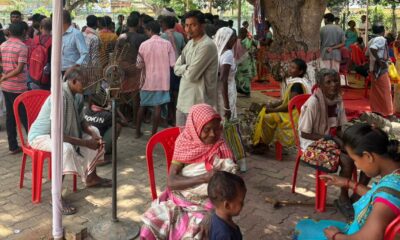
According to estimates, the Kundri plantation has the potential to generate an annual business turnover ranging between Rs 70 crore and Rs 100 crore once full-scale production resumes. Currently, around 663 women associated with self-help groups and several local farmers are linked to the project. The revival is expected to directly benefit thousands of residents from more than six surrounding villages.
Security remains one of the key challenges. The plantation is open from all sides and lacks fencing, which earlier led to large-scale theft of lac before the pandemic. The government is now planning to fence the entire area and construct protective trenches to prevent encroachment and pilferage.
Local farmers have welcomed the move. Sunil Kumar Choudhary said the large number of palash trees makes the plantation highly suitable for quality lac production, while another farmer, Dinesh, said the project would bring long-term livelihood security to several villages.
Lac is a natural resin secreted by the insect Laccifer lacca, which thrives on palash, kusum and ber trees. It is widely used in bangles, cosmetics, jewellery, sealing wax, varnish, ink and specialised cement. The production cycle generally takes four to six months.
India is the world’s largest producer of lac, with a national research centre located in Ranchi. The revival of the Kundri lac plantation is expected to strengthen Jharkhand’s position in lac production and provide a significant boost to Palamu’s rural economy.
You may like
-
Rural economy key to inclusive growth, says Dipika
-
From Welfare to Enterprise: How Rs 2,500 a Month Is Helping Women Build Businesses in Koderma
-
Hemant Soren pushes climate-smart farming at agriculture fair
-
Jharkhand Begins Seed Distribution as Monsoon Arrives, 45,000 Quintals Ordered
-
How Pearl Farming Is Transforming Rural Livelihoods
-
From Land to Livelihood in Godda
Saffron robes may mark renunciation, but they do not define it: Swami Niranjanananda
Traffic challans dominate Ranchi Lok Adalat
Modi’s 76th birthday: month-long celebrations planned
Sudesh Mahto seeks ST status for Kudmi from Amit Shah
Rural economy key to inclusive growth, says Dipika
Ganga crosses four-year high in Sahibganj at 28.72 metres
JMM seeks probe into donations to unrecognised parties
BJP announces protests across Jharkhand over student cases
Jharkhand minister Sudivya Kumar Sonu dies in Giridih
BJP announces protests across Jharkhand over student cases
Jharkhand power bill to rise from April 1 as JSERC hikes electricity tariff
India International Mega Trade Fair 2026 in Ranchi
Palash: How Jharkhand’s Women’s Collective Became a Global Case Study
Ranchi to Get Jharkhand’s Largest Mall with Integrated ISBT
Bokaro Thermal Power Plant Shut Down, DVC Faces Heavy Costs
Toxic Profits: The Hidden Economy Behind India’s Polluted Rivers
Rivers on Life Support: The Poisoned Veins of Eastern India
BMW Industries to Invest Rs 803 Crore in Steel Plant at Bokaro, Jharkhand
Jharkhand Tribal Cinema: From Culture to Commerce
Jharkhand’s First Flying Institute Takes Off After 17-Year Wait
From Welfare to Enterprise: How Rs 2,500 a Month Is Helping Women Build Businesses in Koderma
Jharkhand’s Solar Policy: Decentralised Energy in Practice
JMM Exits Mahagathbandhan, Will Not Contest Bihar Assembly Polls
Birsa Munda’s Legacy Inspires Tribal Enterprise Push