Revenue Gap of Rs 15,000 Crore Flags Concern, Jharkhand Pushes Internal Resource Target of Rs 1.10 Lakh Crore
Jharkhand is staring at a revenue shortfall of around Rs 15,000 crore, prompting Finance Minister Radhakrishna Kishore to push for a sharp increase in internal resource mobilisation, with a target of Rs 1.10 lakh crore.
Key Development
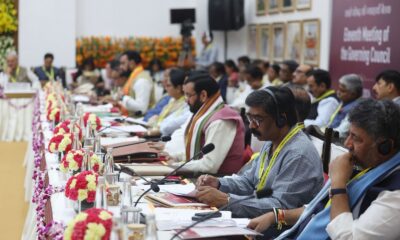
The Finance Minister has written to the Chief Secretary and Development Commissioner, asking departments to accelerate efforts to increase internal revenue and bridge the widening fiscal gap.
The move comes as the state faces structural pressure on its finances despite setting ambitious revenue targets for the current financial year.
Revenue Stress: The Numbers
- Estimated revenue shortfall: ~Rs 15,000 crore
- Internal revenue mobilisation target: Rs 1.10 lakh crore
- Commercial tax department alone is reported to have a gap of around Rs 3,640 crore against targets
The report indicates that the state had earlier set a total revenue target exceeding Rs 1.25 lakh crore, but actual realisation is falling short.
Why the Gap Is Widening
The clipping points to multiple structural and administrative reasons:
1. Dependence on Limited Revenue Streams
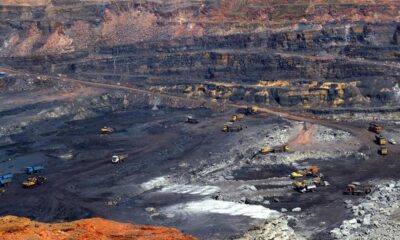
Jharkhand’s economy remains heavily dependent on mining and a few core sectors. Despite having significant mineral resources, revenue realisation remains uneven.
2. GST and Policy Constraints
Changes in GST structure and limited flexibility in tax rates have reduced the state’s ability to independently boost revenue.
3. Administrative Inefficiencies
Leakages, underperformance of departments, and gaps in enforcement are cited as contributing factors.
4. Economic Activity vs Collection Mismatch
While economic activity continues, conversion into tax revenue is not proportionate.
Push for Internal Revenue Mobilisation
The Finance Minister has emphasised:
- Strengthening departmental accountability
- Improving tax compliance and enforcement
- Enhancing monitoring mechanisms
- Setting department-wise targets
Departments have been asked to prepare action plans to increase collections.
Spending Pressures Add to Challenge
Teachers’ Salary Allocation
- Rs 2,252 crore allocated for salaries of primary and middle school teachers
- Reports of delays and disputes in fund disbursement at district level
Election Duty Impact
- Deployment of officials in election duties has affected administrative functioning
- In several departments, salary disbursement has reportedly been delayed due to procedural and staffing disruptions
Fiscal Management Measures
Pension Fund Restructuring
The government has decided to merge pension fund allocations into a stabilisation fund, based on advisory inputs.
This move is aimed at:
- Managing long-term liabilities
- Addressing revenue risks
- Ensuring better fund utilisation
Creation of Fiscal Buffer Mechanisms
A structured approach is being developed to handle:
- Revenue volatility
- Contingent liabilities
- Fiscal shocks
Policy Signal: Tightening the System
The developments indicate a clear policy direction:
- Greater fiscal discipline
- Reduced leakages
- Centralised monitoring of revenue streams
- Integration of funds for efficiency
The emphasis is shifting from target setting to actual collection efficiency.
Ground Reality vs Targets
The clipping reflects a mismatch between:
- Ambitious targets
- Actual departmental performance
Even high-performing departments like commercial taxes are facing significant shortfalls, raising concerns about realistic projections and execution capacity.
What It Means for Jharkhand
- Short-Term Impact
- Pressure on welfare and development spending
- Delays in payments and allocations
- Medium-Term Risk
- Increasing fiscal deficit
- Dependence on borrowing
- Long-Term Question
- Can Jharkhand diversify its revenue base beyond mining and indirect taxes?
Jharkhand’s fiscal situation is entering a critical phase where revenue ambition is colliding with structural limitations.
The government’s push for Rs 1.10 lakh crore internal revenue reflects urgency, but the existing gap of Rs 15,000 croreunderlines the scale of the challenge.
The coming months will test whether administrative tightening and policy adjustments can translate into actual revenue gains.