

Economy & Development
Budget 2026: Indirect Gains for Jharkhand, No Big Ticket Project
Union Budget 2026 brings indirect benefits to Jharkhand through health, industry and Purvodaya focus but no flagship project for the state.


The Union Budget 2026–27 has positioned Jharkhand within the Centre’s broader strategy for eastern India’s economic transformation, offering sectoral opportunities in health, industry and tribal livelihoods while stopping short of announcing any flagship project exclusively for the state.
Jharkhand finds mention mainly through institutional upgrades and regional development initiatives under the “Purvodaya States” framework, which includes Bihar, Odisha, West Bengal and Chhattisgarh.
Ranchi to Emerge as Mental Health Hub
The most direct benefit for Jharkhand is the announcement to upgrade the National Mental Health Institute in Ranchi as a Regional Apex Institution. The move is expected to strengthen the state’s long-standing role in psychiatric care and research, building on the presence of the Central Institute of Psychiatry (CIP).
Health experts say the upgrade could attract central funding, generate skilled jobs and improve trauma and mental healthcare services in a state affected by displacement, migration and industrial stress.

Industrial and Mining Economy Gets Indirect Support
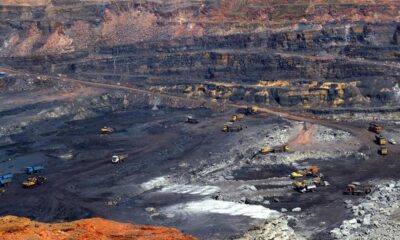
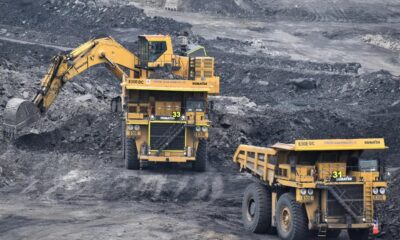
While no mining-specific package was announced for Jharkhand, several policy measures are likely to impact the state’s core sectors of steel, coal and power.
Budget proposals on Carbon Capture, Utilisation and Storage (CCUS), critical mineral processing and logistics infrastructure are expected to benefit industrial belts in Bokaro, Dhanbad and Jamshedpur. The proposed Dedicated Freight Corridor linking eastern India to western industrial hubs is also seen as a boost for mineral transport and manufacturing supply chains.
Industry observers note that these measures aim to modernise heavy industries and align them with climate transition goals.
Purvodaya Focus and Tourism Potential
Under the Purvodaya initiative, the Budget proposes development of tourism destinations and deployment of electric buses across eastern India. Jharkhand’s eco-tourism sites, waterfalls and religious destinations could become part of this push if the state secures project approvals.
Urban centres such as Ranchi, Jamshedpur and Dhanbad are expected to benefit from green mobility initiatives under the regional e-bus programme.
Boost for Tribal and Rural Economy
Schemes announced for khadi, handicrafts, handloom and village industries align with Jharkhand’s tribal and forest-based economy. Programmes such as the Mahatma Gandhi Gram Swaraj initiative, Champion MSME Fund and SHE-Marts for women entrepreneurs offer opportunities for districts in Santhal Pargana, Kolhan and Palamu regions.
Economists, however, caution that outcomes will depend on how effectively the state government converts these schemes into district-level projects.
Education and Skill Development Window
The proposal to establish a National Institute of Design in eastern India opens a potential opportunity for Jharkhand to compete as a host state. Combined with district-level girls’ hostels for STEM education and university townships near industrial corridors, the Budget indicates a long-term focus on human capital development.
What Jharkhand Did Not Get
Despite being a mineral-rich and strategically located state, Jharkhand did not receive any dedicated highway, railway or mega industrial project announcement. There was also no specific package for mining rehabilitation, irrigation or tribal universities.
This has raised concerns that Jharkhand remains part of a regional cluster rather than a priority state in the Centre’s development roadmap.
Opportunity with Responsibility
Policy analysts believe the Budget provides Jharkhand with openings rather than guarantees. The state’s gains will largely depend on its ability to compete for challenge-based funding and ensure timely project execution.
“Jharkhand has been given doors to enter national growth frameworks, but not a red-carpet entry,” said an economist based in Ranchi. “The real test lies in administrative capacity and political follow-through.”










Saffron robes may mark renunciation, but they do not define it: Swami Niranjanananda

Traffic challans dominate Ranchi Lok Adalat

Modi’s 76th birthday: month-long celebrations planned

Sudesh Mahto seeks ST status for Kudmi from Amit Shah

Rural economy key to inclusive growth, says Dipika

Ganga crosses four-year high in Sahibganj at 28.72 metres

JMM seeks probe into donations to unrecognised parties

BJP announces protests across Jharkhand over student cases

Jharkhand minister Sudivya Kumar Sonu dies in Giridih

BJP announces protests across Jharkhand over student cases

Jharkhand power bill to rise from April 1 as JSERC hikes electricity tariff

India International Mega Trade Fair 2026 in Ranchi

Palash: How Jharkhand’s Women’s Collective Became a Global Case Study

Ranchi to Get Jharkhand’s Largest Mall with Integrated ISBT

Bokaro Thermal Power Plant Shut Down, DVC Faces Heavy Costs

Toxic Profits: The Hidden Economy Behind India’s Polluted Rivers

Rivers on Life Support: The Poisoned Veins of Eastern India

BMW Industries to Invest Rs 803 Crore in Steel Plant at Bokaro, Jharkhand

Jharkhand Tribal Cinema: From Culture to Commerce

Jharkhand’s First Flying Institute Takes Off After 17-Year Wait

From Welfare to Enterprise: How Rs 2,500 a Month Is Helping Women Build Businesses in Koderma

Jharkhand’s Solar Policy: Decentralised Energy in Practice

JMM Exits Mahagathbandhan, Will Not Contest Bihar Assembly Polls

Birsa Munda’s Legacy Inspires Tribal Enterprise Push
