SOCIETY
AI Predicts Air Pressure in Mine Blasting, Developed in Jharkhand
CIMFR, Dhanbad pioneers AI model to ensure safer mining, reduce environmental impact, and minimize community disputes
Published
1 year agoon
Dhanbad: A team of Indian scientists has developed an Artificial Intelligence (AI) system to predict hazardous air overpressure (AOP) generated during mine blasting, promising safer mining operations and reduced environmental and human risks. The breakthrough comes from the Central Institute of Mining and Fuel Research (CIMFR), Dhanbad, a leading institute in mining research.
AI Model Created Using Data from Five States
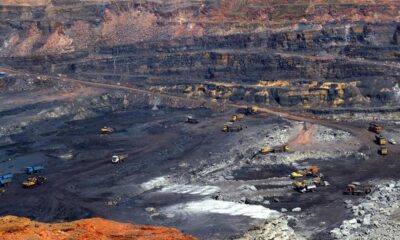
The AI model was developed using data from 699 blasts across 33 mines in Jharkhand, West Bengal, Odisha, Rajasthan, and Meghalaya. The mines include coal, iron ore, manganese, uranium, limestone, and stone quarries. Scientists analyzed ten critical parameters, including hole diameter, depth, number of holes, charge per hole, and stemming length.
The AI system generates predictive blast designs, reducing the need for repeated field trials. This allows mine operators to plan safer blasts while minimizing environmental and structural hazards.
Safer Mining and Reduced Disputes
Experts explained that in conventional blasting, only 20–30% of explosive energy is utilized to break rocks. The remaining energy produces vibrations, flying debris, and harmful air overpressure. When AOP levels exceed 120 dB, it can cause damage to buildings, discomfort to humans, and conflicts between mining companies and local communities.
By providing precise blast designs, the AI system limits these side effects, enhancing safety for workers and nearby residents and fostering sustainable mining practices.
Published in International Journal
The project was led by Dr. Aditya Rana, along with Dr. C. Saumliana, Hemant Agrawal, and R.K. Singh. Nigerian researcher Charles Komadza, now a research scholar in the United States, also contributed.
Their study has been published in the Noise Control Engineering Journal (USA), giving international recognition to Indian mining research. Scientists suggest the technology can be applied across different mining environments, marking a significant step towards sustainable and responsible mineral extraction.
Key Highlights
- Institute: Central Institute of Mining and Fuel Research (CIMFR), Dhanbad
- AI System Purpose: Predict air overpressure (AOP) during blasting
- Data Used: 699 blasts across 33 mines in 5 states
- Impact: Safer mining, reduced structural damage, fewer disputes
- Publication: Noise Control Engineering Journal, USA
At a Glance: AI-Powered Mine Blasting Safety
- What: AI system to predict Air Over Pressure (AOP) during mine blasts
- Who: Developed by CIMFR, Dhanbad team led by Dr. Aditya Rana
- Data Source: 699 blasts across 33 mines in Jharkhand, West Bengal, Odisha, Rajasthan, Meghalaya
- Parameters Analyzed: Hole diameter, depth, number of holes, charge per hole, stemming length, and more
- Benefits:
- Safer mining operations
- Reduced structural damage
- Lower health hazards for workers and nearby communities
- Minimizes disputes between mines and local residents
- Recognition: Published in Noise Control Engineering Journal (USA)
- Application: Can be adapted for various mining environments
You may like
-
Jharkhand’s Rs1.36 Lakh Crore Dues: The Federalism Debate
-
Sustaining the Wealth of the Earth: A Scientific Tribute to P.N. Bose
-
Crusher Units Face Crisis Over HC Distance Norms in Jharkhand
-
Coal Imports Fall 8.5% in February on High Stocks
-
Jharkhand Set for 8 New Coal Washeries Under CIL’s Rs 3,300 Crore Plan
-
Lithium Traces Found in Jharkhand’s Giridih; GSI Begins Assessment
JMM seeks probe into donations to unrecognised parties
BJP announces protests across Jharkhand over student cases
Jharkhand minister Sudivya Kumar Sonu dies in Giridih
BJP announces protests across Jharkhand over student cases
Jharkhand lays foundation for film talent pipeline with SRFTI partnership
Jharkhand to Establish First Film and Television Institute with SRFTI
Jharkhand’s Moment on the National Stage: Santhali Film Angen Wins 72nd National Film Award
From Welfare to Enterprise: How Rs 2,500 a Month Is Helping Women Build Businesses in Koderma
Jharkhand’s Rs1.36 Lakh Crore Dues: The Federalism Debate
Jharkhand Mining Debate: Mine Auctions, DMFT and Saranda at the Centre
Jharkhand power bill to rise from April 1 as JSERC hikes electricity tariff
India International Mega Trade Fair 2026 in Ranchi
Palash: How Jharkhand’s Women’s Collective Became a Global Case Study
Ranchi to Get Jharkhand’s Largest Mall with Integrated ISBT
Bokaro Thermal Power Plant Shut Down, DVC Faces Heavy Costs
Toxic Profits: The Hidden Economy Behind India’s Polluted Rivers
Rivers on Life Support: The Poisoned Veins of Eastern India
BMW Industries to Invest Rs 803 Crore in Steel Plant at Bokaro, Jharkhand
Jharkhand Tribal Cinema: From Culture to Commerce
Jharkhand’s First Flying Institute Takes Off After 17-Year Wait
From Welfare to Enterprise: How Rs 2,500 a Month Is Helping Women Build Businesses in Koderma
Jharkhand’s Solar Policy: Decentralised Energy in Practice
JMM Exits Mahagathbandhan, Will Not Contest Bihar Assembly Polls
Birsa Munda’s Legacy Inspires Tribal Enterprise Push