Jharkhandinc Bureau
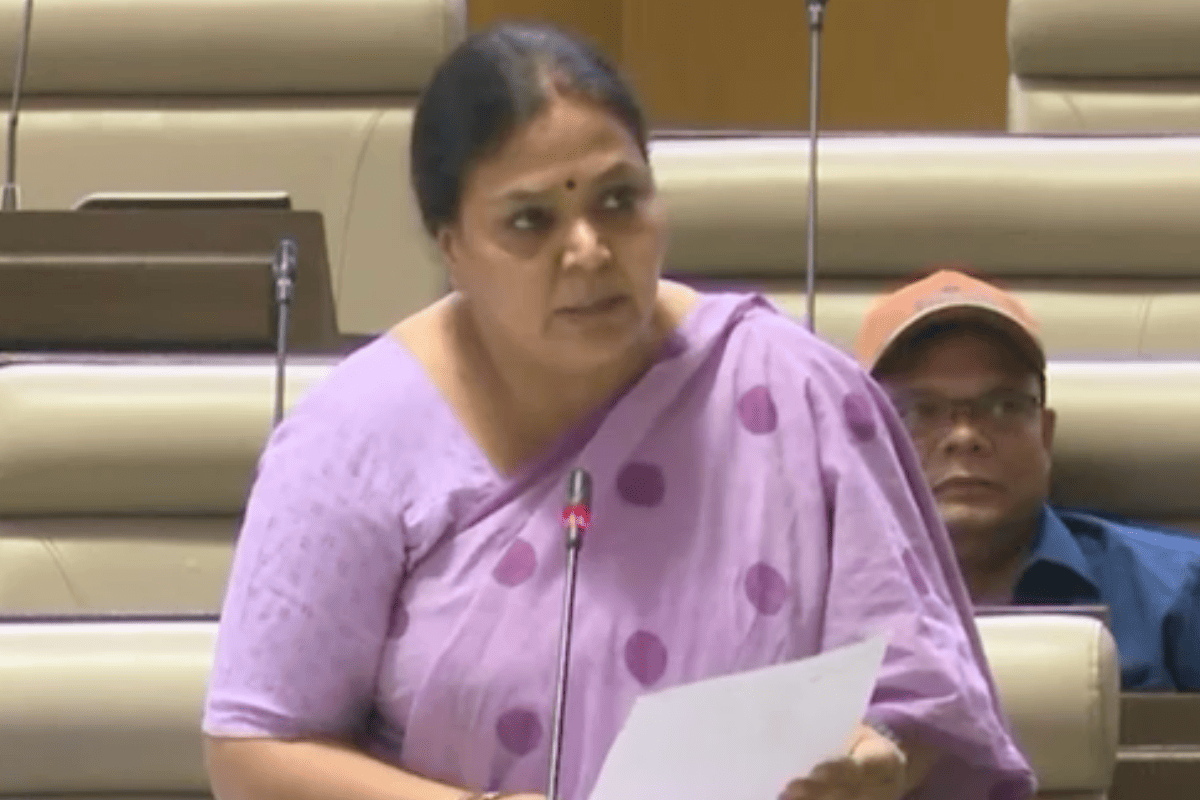
RANCHI, March 18: Jharkhand Rural Development Minister Dipika Pandey Singh on Wednesday opposed the proposed “Viksit Bharat-Guarantee for Rozgar and Ajeevika Mission (Gramin) Act, 2025”, stating that it could weaken key provisions of the existing rural employment framework.
Speaking in the Assembly, the minister said the proposed law may affect the legal guarantee of employment and other provisions currently available under the Mahatma Gandhi National Rural Employment Guarantee Act (MGNREGA).
She said MGNREGA is a demand-driven programme that provides at least 100 days of wage employment to rural households and plays a key role in livelihood security, particularly for marginalised communities.
According to the minister, the proposed Act could weaken the legal guarantee of employment, affect continuity of work and wage payments, and increase the financial burden on states.
She also raised concerns about the impact on vulnerable groups, including Scheduled Tribes, Scheduled Castes and other sections dependent on the scheme.
The minister said replacing or altering the existing framework without wider consultation with states would be against the spirit of cooperative federalism.
She added that the proposed law may also affect the role of gram sabhas and decentralised planning mechanisms that are part of the current system.
According to a proposal submitted in the Assembly, the state has suggested retaining the demand-driven and rights-based structure of MGNREGA without dilution.
The state has also recommended increasing the guaranteed employment period from 100 days to 150 days to strengthen rural livelihoods and reduce migration.
The proposal further raised concerns over digital processes such as biometric attendance and geo-tagging, stating that these may create operational challenges in rural areas if not implemented effectively.
The minister said systems should be simplified to ensure accessibility for workers and avoid disruption in wage employment.
She said the state remains committed to protecting the rights of rural workers and ensuring that employment guarantee mechanisms continue to function effectively.