NBCC (India) Limited has invited bids for setting up a 4,000 kWp grid-connected solar power plant at the Bokaro Steel Plant in Jharkhand. The Rs. 20.78-crore project, commissioned by the Steel Authority of India Limited (SAIL), marks a major step toward integrating renewable energy into India’s core industrial operations.
The project includes the design, supply, erection, testing, and commissioning of the solar power plant across various sheds and buildings at Bokaro Steel Plant. It also covers five years of operation and maintenance. The tender, issued on September 29, 2025, reinforces NBCC’s focus on sustainable infrastructure and clean energy integration.
Green Shift in Jharkhand’s Industrial Hubs
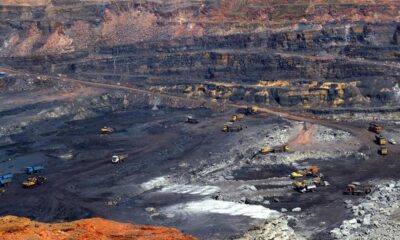
Jharkhand, long known for its coal and steel industries, is now emerging as a center for renewable energy growth. The Bokaro solar project is among the largest in the state and represents a policy shift toward cleaner and more efficient industrial operations.
The 4 MW solar capacity will reduce the plant’s dependence on conventional grid power, lower carbon emissions, and improve energy efficiency. Experts view this as a key step in aligning Jharkhand’s industrial belt, including Bokaro, Jamshedpur, Dhanbad, and Ranchi, with India’s renewable energy mission.
Paving the Way for Net-Zero Steelmaking
The global steel industry contributes nearly 8 percent of total carbon emissions. As India moves toward its target of net-zero emissions by 2070, solar adoption in steel manufacturing is becoming increasingly important.
“The Bokaro project is not just about rooftop solar installations. It represents a shift toward sustainable steelmaking,” said a senior energy analyst based in Ranchi. “SAIL’s decision shows that heavy industries are beginning to take concrete steps toward carbon neutrality.”
The initiative supports the government’s “Green Steel” program, which encourages public sector enterprises to adopt renewable energy, hydrogen-based production, and waste heat recovery systems.
NBCC and SAIL Lead the Public Sector Green Drive
The tender shows how public sector undertakings are leading India’s clean energy transition. NBCC, a Government of India enterprise under the Ministry of Housing and Urban Affairs, has executed several solar and green building projects across the country. Partnering with SAIL, a Maharatna PSU, highlights growing cooperation between infrastructure and sustainability objectives in the public sector.
The total project cost is estimated at Rs. 20.78 crore, including GST. It is divided into two components:
- Part A: ₹19.60 crore
- Part B: ₹1.18 crore
The project completion period is eight months, with a twelve-month defect liability period. Bidders must submit an Earnest Money Deposit (EMD) of Rs. 20.78 lakh, while the successful bidder must provide a Performance Bank Guarantee (PBG) equal to 5 percent of the contract value.
The pre-bid meeting is scheduled for October 6, 2025, at NBCC’s Ranchi office. The last date for online submission of bids is October 13, 2025, by 11:00 AM.
Strict Eligibility and Integrity Norms
NBCC has set detailed eligibility requirements to maintain quality and transparency. Bidders must have prior experience in similar solar power projects of at least 1,600 kWp capacity and a minimum of two years of operation and maintenance experience.
They must also demonstrate financial strength, with an average annual turnover of at least 40 percent of the project cost over the last three years and a minimum net worth equal to 10 percent of the estimated cost. A solvency certificate covering 40 percent of the project cost, issued within six months, is mandatory.
The contract includes an Integrity Pact clause, as the project value exceeds Rs. 5 crore. This ensures accountability during the bidding and execution process. NBCC has also reserved the right to reject any or all bids without providing reasons.
From Steel to Solar: A Symbol of Industrial Change
Bokaro Steel Plant has been a symbol of India’s industrial strength since the 1960s. With this solar initiative, it is now becoming part of the country’s clean energy movement. The new installation will reduce electricity costs and demonstrate how traditional industries can adapt to sustainable practices.
For Jharkhand, which has long been associated with mining and coal, this marks a clear shift toward a greener and more resilient energy future. The move from steel to solar represents the broader story of India’s industrial evolution.