


Policy & Governance
Jharkhand Bets on Panchayats
Jharkhand strengthens panchayat-led governance with funds, incentives and local services, placing villages at the centre of development.

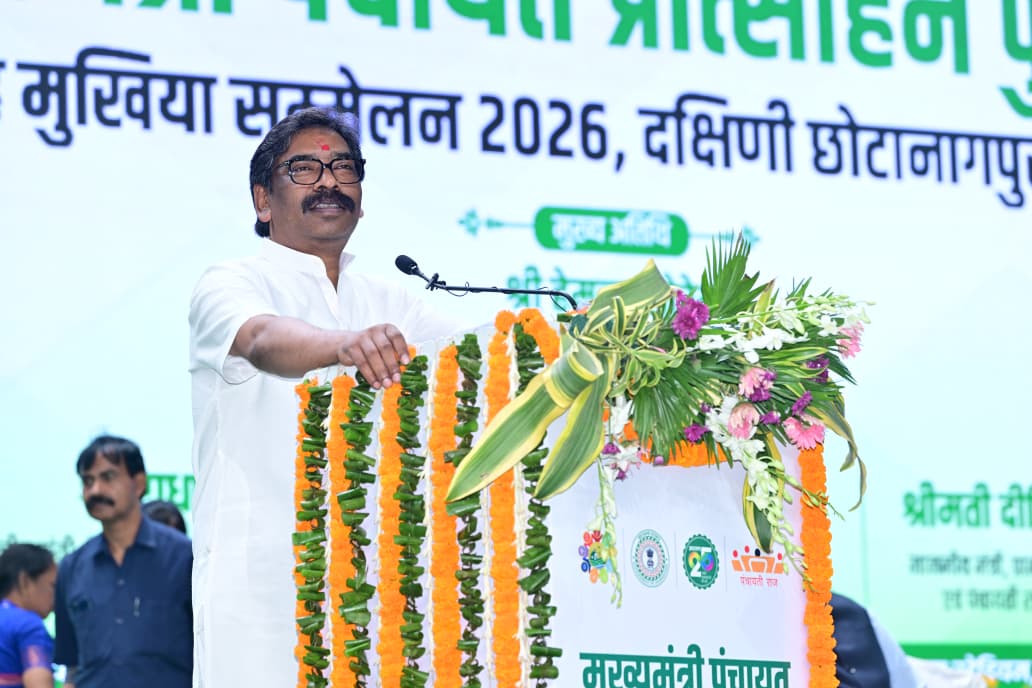
Village-Centric Governance Push as Jharkhand Rewards Panchayats, Expands Local Services
Jharkhand is placing villages at the centre of its governance model, with a renewed push to strengthen panchayats through funding, incentives and decentralised service delivery.
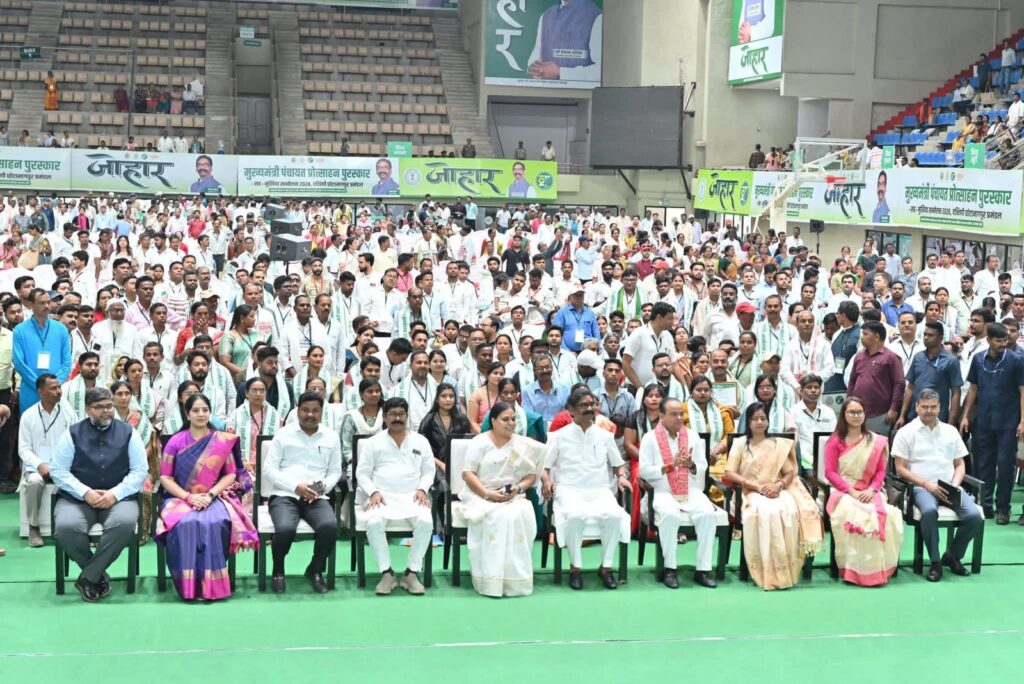
At the Panchayat Incentive Awards and Mukhiya Conference in Ranchi, Chief Minister Hemant Soren outlined a village-first approach, while Rural Development Minister Dipika Pandey Singh focused on the operational role of local leadership.
“The state can develop only when villages develop. Villages are the roots of the system,” said Chief Minister Hemant Soren, setting the tone for the Panchayat Incentive Awards and Mukhiya Conference
Funds are flowing, focus shifts to execution
The state backed its governance push with significant financial allocations:
- Rs 412 crore (tied) and Rs 555 crore (untied) already released under the 15th Finance Commission
- Rs 410 crore (tied) and Rs 272 crore (untied) to be released soon
- Rs 600 crore expected from the State Finance Commission
The message is clear.
The constraint is no longer funding.
It is execution at the local level.
Mukhiya as the pivot of village governance
Dipika Pandey Singh placed strong emphasis on the role of elected village heads.
“The mukhiya is the key link in village development and can shape its future. In many ways, a mukhiya functions like the Chief Minister of a panchayat,” she said.
She added that local representatives play a critical role in connecting rural populations with government welfare schemes, making them central to delivery.
From weak infrastructure to digital panchayats
The minister highlighted improvements in local governance systems.
- Panchayats now receive Rs 15,000 per month for maintenance
- Panchayat buildings have seen visible upgrades
- Many units are transitioning into digital panchayats
“There is no shortage of funds for development. What is needed is better planning and execution,” she said, urging representatives to focus on outcomes.
Village-first governance model
Chief Minister Hemant Soren reinforced the broader philosophy.
“The state can develop only when villages develop. Villages are the roots of the system,” he said .
The government’s approach includes:
- Strengthening panchayat institutions
- Delivering services at the village level
- Ensuring last-mile access to schemes
A key initiative includes enabling Aadhaar-related services at village centres, reducing dependency on urban offices.
Water and solar as development drivers
The state is also aligning governance with resource planning.
Water management
- Pond rejuvenation
- Soak pit construction
- Rainwater harvesting
Income generation
- Solar power plants on unused farmland
- Government-backed purchase of power
These efforts aim to combine resource sustainability with rural income growth.
What this means for Jharkhand
Jharkhand’s governance model is evolving around three pillars:
- Decentralisation backed by funding
- Incentive-driven performance
- Localised service delivery
The panchayat is no longer just an administrative unit.
It is being positioned as a primary development engine.
The larger question
The framework is in place. Funds are available. Institutions are empowered. But the outcome will depend on one factor.
Can local governance deliver at scale? Because in the end, development is not shaped in conferences. It is shaped in villages.






Jharkhand pushes innovation agenda

Ranchi turns vertical


