


Policy & Governance
Jharkhand’s Women Shift Gains Ground
With 32 lakh women in SHGs, Jharkhand is seeing a rise in rural leadership, but the absence of a dedicated women policy remains a key gap.

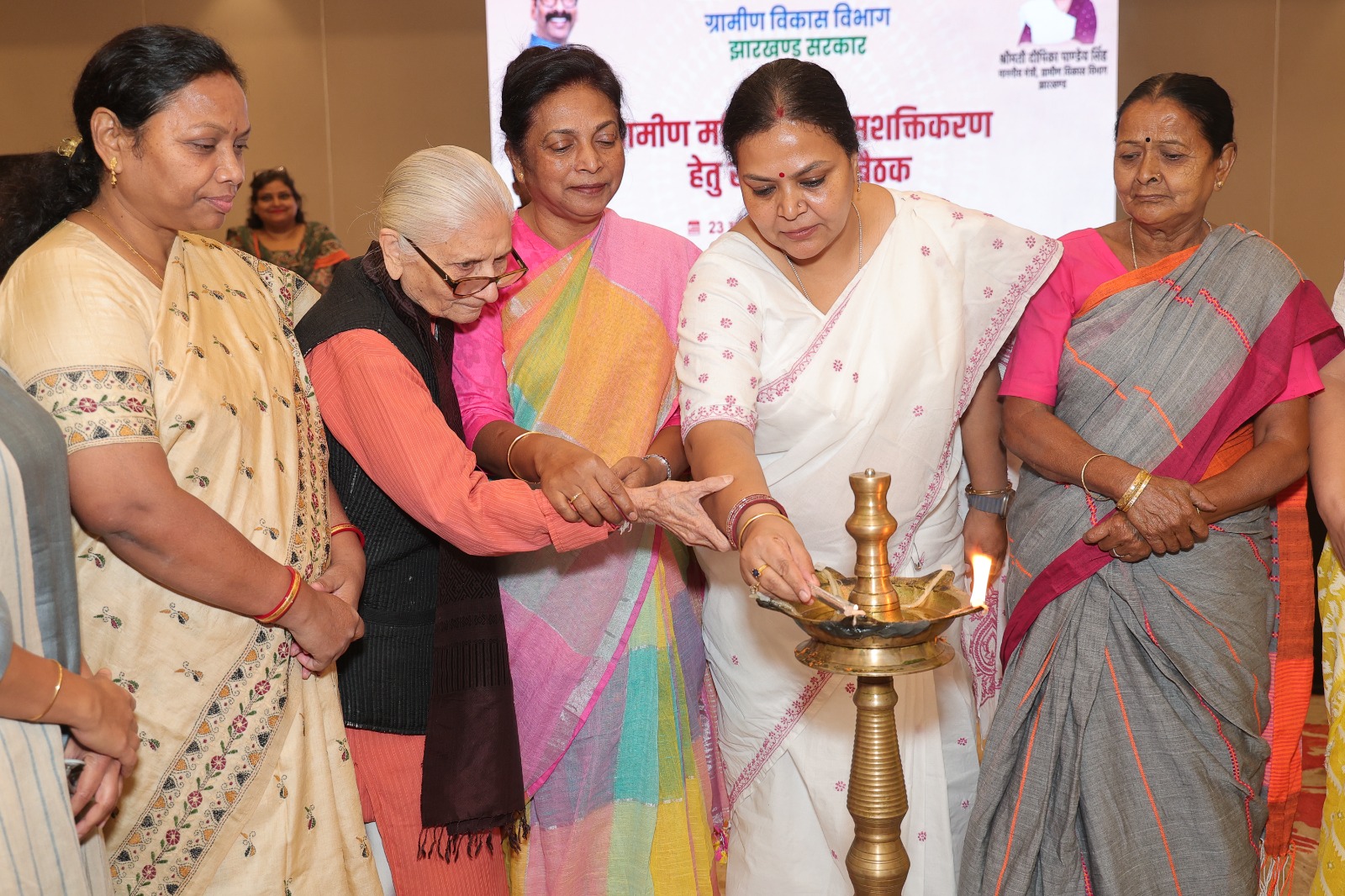
Jharkhand Pushes for Women Policy as 32 Lakh SHG Network Signals New Rural Shift
A quiet shift is underway in Jharkhand’s rural landscape, and it is being driven by women.
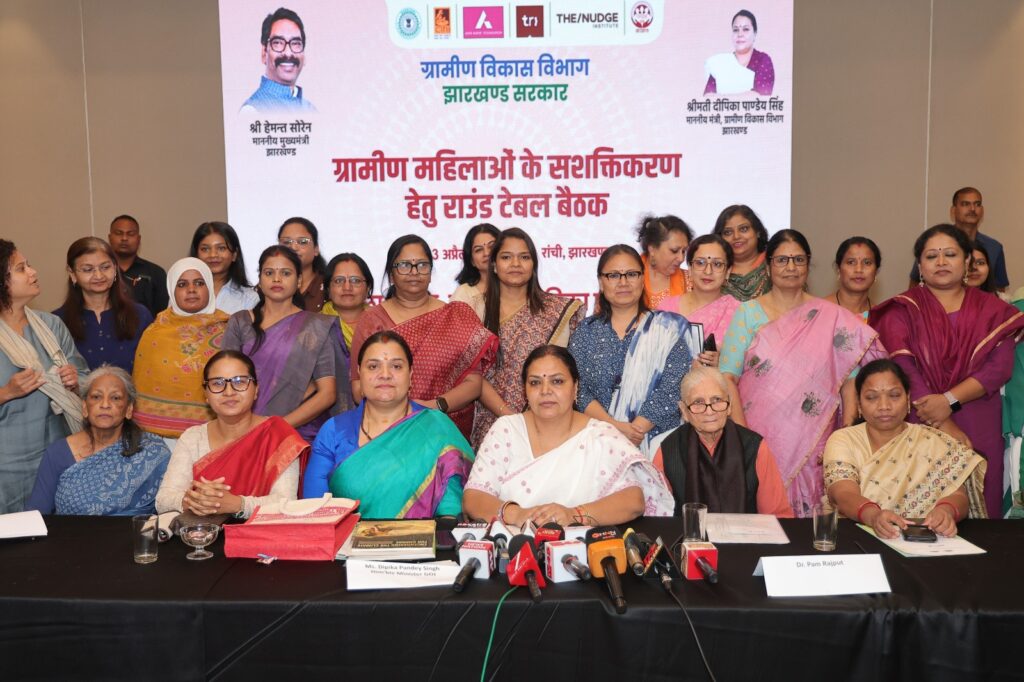
At a roundtable on rural women empowerment organised by the Jharkhand State Livelihood Promotion Society in Ranchi, a strong demand emerged for a dedicated and outcome-driven women policy, reflecting both progress and gaps in the state’s gender framework.
32 lakh women, but where is the policy?
Jharkhand today has over 32 lakh women connected through Self Help Groups (SHGs), forming one of the largest grassroots networks in the state .
This network is no longer limited to livelihood support.
It is shaping:
- Rural enterprise
- Community leadership
- Social transformation
Yet, despite this scale, the absence of a comprehensive state-level women policy remains a central concern raised at the roundtable.
From livelihood to leadership
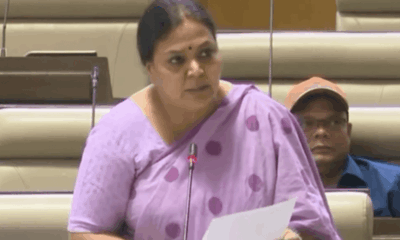
Rural Development Minister Dipika Pandey Singh outlined the state’s evolving approach.
“The objective is not to limit women to livelihood support, but to enable them to stand and compete in today’s environment,” she said, signalling a shift from welfare-driven schemes to leadership-oriented development .
This marks a transition:
From participation
to leadership
The ground reality: Progress with gaps
Despite visible progress, multiple structural challenges remain:
- Low levels of higher education among rural women
- Limited access to healthcare and safety systems
- Social barriers to independent mobility and decision-making
Experts at the roundtable noted that without a clear and measurable policy framework, these gaps could limit long-term impact.
Natural leadership, structural barriers
Congress spokesperson Supriya Shrinate highlighted a key insight.
Rural women, she said, possess natural leadership qualities, but lack institutional pathways to scale that potential .
The issue is not capability.
It is opportunity.
Voices from the ground
The discussion moved beyond policy into lived experience.
Gender expert Pam Rajput pointed to persistent social attitudes, questioning why independent women still face scrutiny .
Padma Shri awardees Chhutni Mahato and Chami Murmu shared their grassroots journeys, from fighting witch-hunting to leading environmental movements.
Their experiences underline a deeper reality.
Leadership already exists.
Recognition is catching up.
Economic shift already visible
Through credit linkages and SHG networks:
- Women-led enterprises are expanding
- Local products are entering wider markets
- Collective economic models are strengthening
Large-scale initiatives such as plantation drives have also seen significant participation by rural women, combining livelihood with environmental outcomes .
What this means for Jharkhand
Jharkhand stands at an inflection point.
It has:
- A large and active women-led grassroots network
- Proven success in livelihood programmes
- Emerging leadership at the community level
What remains missing is a cohesive policy framework that connects these elements into a long-term strategy.
The larger question
The debate is no longer about inclusion.
It is about structure, scale and direction.
Will Jharkhand convert its SHG success into a formal women policy with measurable outcomes
or continue with fragmented interventions?
Because the base is already strong.
What comes next will define the outcome.









Jharkhand pushes innovation agenda

Ranchi turns vertical


