

SOCIETY
GST Reforms Unlock Economic Potential in Jharkhand
GST reforms in Jharkhand reduce rates across steel, iron, agriculture, forests, and tourism, boosting industry, rural incomes, and investment prospects.


Jharkhand, known as the “land of forests,” is witnessing a new wave of economic momentum thanks to recent Goods and Services Tax (GST) reforms. By reducing tax rates across steel, iron, agriculture, forest products, and tourism sectors, these reforms are boosting industrial growth, stabilizing rural incomes, and making Jharkhand a more competitive investment destination.
Industrial Growth and Global Competitiveness

Steel and heavy engineering remain the backbone of Jharkhand’s industrial economy, contributing nearly 25 percent of India’s total steel output. Industrial hubs such as Jamshedpur (Tata Steel) and Bokaro (SAIL-Bokaro Steel Plant) sustain over one lakh formal workers and a dense network of MSMEs engaged in fabrication and services.
GST rate reductions on two-wheelers, small cars, tractors, and auto components from 28 percent to 18 percent in most categories lower costs along the auto and machinery value chain by 7.8 to 11 percent. Analysts say this makes vehicles and equipment more affordable, spurring domestic demand, boosting industrial production, and creating new employment opportunities in fabrication, logistics, and allied services.

Exports of Jharkhand’s steel and value-added products to markets including the USA, China, Japan, Nepal, Bangladesh, and Europe are expected to become more competitive, further solidifying the state’s role in domestic and international supply chains.
Iron and Mineral Industries

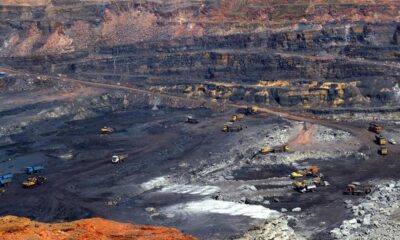
Jharkhand holds nearly 26 percent of India’s iron ore reserves. The iron sector, concentrated in West Singhbhum and Kolhan, employs roughly one lakh people, including tribal communities and forest-fringe workers. GST reductions from 12 percent to 5 percent for iron translate to an estimated 6.25 percent drop in product costs, improving profit margins, price competitiveness, and employment opportunities.
Local iron production supports domestic steel mills in Jharkhand and neighboring Odisha. Exports to China, Japan, Europe, and Southeast Asia position Jharkhand as a key player in global mineral markets.
Agriculture and Rural Livelihoods
Agriculture employs over half of Jharkhand’s working population and contributes around 18 percent to the state’s GSDP. Marginal and small farmers, predominantly from tribal communities, benefit directly from GST reductions on processed foodgrains from 12 percent to 5 percent.
Experts note that reduced input costs, estimated at 3 to 8 percent, improve farm profitability and encourage value addition. Rural households engaged in seasonal agriculture and non-timber forest produce activities are poised to see more stable incomes, supporting local economies in districts such as Ranchi, Hazaribagh, Palamu, and Latehar.
Forest-Based Economy

Forests cover over 29 percent of Jharkhand, and forest-dependent livelihoods are central to tribal economies. Products like lac, tendu leaves, bamboo, and honey provide income to nearly 20 lakh workers.
GST reforms lower rates on tendu leaves from 18 percent to 5 percent and on bamboo from 12 percent to 5 percent, translating to cost reductions of 6.25 to 11 percent. This increases price competitiveness, raises producer margins, and enhances the financial security of forest-based communities.
Tourism and Hospitality

Jharkhand’s tourism sector, supported by small hotels, homestays, and local guides, also benefits from GST cuts. Hotel room rates under ₹7,500 per night have dropped from 12 percent to 5 percent, reducing costs for visitors and supporting local tourism operators.
Destinations like Deoghar (Baidyanath Dham), Parasnath (Jain pilgrimage), Rajrappa, and tribal villages offering experiential tourism now become more affordable and attractive, potentially boosting visitor numbers and creating jobs across the hospitality and service sectors.
Human Stories and Micro-Level Impact
Across Jharkhand, farmers, artisans, and small-scale industrial workers are already noticing the benefits. From increased orders for steel suppliers to higher margins for NTFP collectors, GST reforms are translating policy into tangible livelihoods while enhancing Jharkhand’s broader economic ecosystem.
Future Prospects
Analysts say Jharkhand’s combination of mineral wealth, forest resources, industrial hubs, and cultural tourism makes it an attractive investment destination. GST reforms enhance competitiveness, reduce operating costs, and stimulate inclusive economic growth, positioning the state for accelerated industrial expansion and improved rural prosperity.
Collectively, these reforms are stimulating production and exports while creating employment opportunities and improving income security for millions of Jharkhandis. The state’s diverse economy, from steel plants to tribal enterprises, is set to benefit, strengthening Jharkhand’s reputation as a rising economic hub in eastern India.











Saffron robes may mark renunciation, but they do not define it: Swami Niranjanananda

Traffic challans dominate Ranchi Lok Adalat

Modi’s 76th birthday: month-long celebrations planned

Sudesh Mahto seeks ST status for Kudmi from Amit Shah

Rural economy key to inclusive growth, says Dipika

Ganga crosses four-year high in Sahibganj at 28.72 metres

JMM seeks probe into donations to unrecognised parties

BJP announces protests across Jharkhand over student cases

Jharkhand minister Sudivya Kumar Sonu dies in Giridih

BJP announces protests across Jharkhand over student cases

Jharkhand power bill to rise from April 1 as JSERC hikes electricity tariff

India International Mega Trade Fair 2026 in Ranchi

Palash: How Jharkhand’s Women’s Collective Became a Global Case Study

Ranchi to Get Jharkhand’s Largest Mall with Integrated ISBT

Bokaro Thermal Power Plant Shut Down, DVC Faces Heavy Costs

Toxic Profits: The Hidden Economy Behind India’s Polluted Rivers

Rivers on Life Support: The Poisoned Veins of Eastern India

BMW Industries to Invest Rs 803 Crore in Steel Plant at Bokaro, Jharkhand

Jharkhand Tribal Cinema: From Culture to Commerce

Jharkhand’s First Flying Institute Takes Off After 17-Year Wait

From Welfare to Enterprise: How Rs 2,500 a Month Is Helping Women Build Businesses in Koderma

Jharkhand’s Solar Policy: Decentralised Energy in Practice

JMM Exits Mahagathbandhan, Will Not Contest Bihar Assembly Polls

Birsa Munda’s Legacy Inspires Tribal Enterprise Push
