Connect with us

Policy & Governance

Jharkhand Moves on Building Regularisation, Chamber Seeks Wider Coverage and Simpler Norms

Jharkhand’s building regularisation bill gets industry backing, but calls for wider coverage and simpler rules highlight execution challenges.

Published

on

Jharkhand Moves on Building Regularisation

Jharkhand’s proposed building regularisation framework is beginning to take shape, with industry stakeholders backing the move while pushing for broader coverage and simpler compliance.

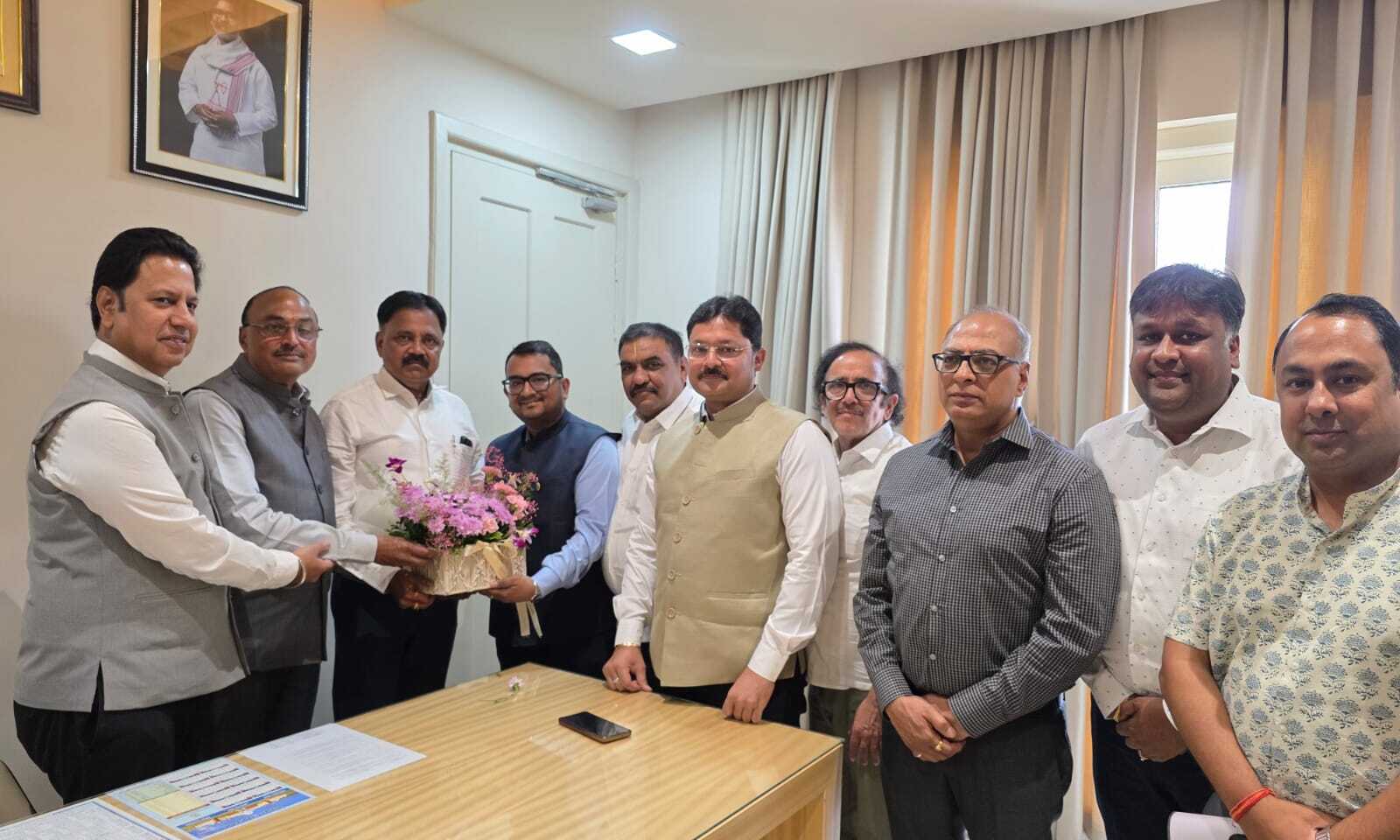
A delegation of the Federation of Jharkhand Chamber of Commerce and Industries met Urban Development and Housing Minister Sudivya Kumar, welcoming the introduction of the building regularisation bill and calling it a relief measure for property owners.

A relief window for urban property owners

The proposed bill is expected to benefit lakhs of building owners by providing a legal pathway to regularise existing structures.

For Jharkhand’s rapidly expanding cities, where deviations from approved plans are common, the move signals an attempt to bring informal constructions into the formal system.

“This is an important step towards organised urban development,” said Chamber President Aditya Malhotra.

Industry seeks wider scope and easier rules

While supporting the initiative, the Chamber placed a set of key recommendations before the minister:

  • Expand eligibility to buildings up to 15 metres in height and 500 sq m area
  • Extend the timeline of the scheme
  • Simplify procedures to improve accessibility
  • Include previously constructed warehouses (temporary sheds) under relaxed norms

The underlying concern is clear.
A narrow or complex framework could limit participation and reduce the scheme’s effectiveness.

Balancing compliance with practicality

Urban regularisation policies often walk a fine line.

Too strict, and they exclude a large number of applicants.
Too relaxed, and they risk encouraging violations.

Jharkhand now faces that policy balance.

By seeking simplification, the Chamber is effectively arguing for a practical compliance model, where ease of participation drives formalisation.

Government signals intent for wider outreach

Responding to the suggestions, Minister Sudivya Kumar said the government’s objective is to provide relief to citizens while ensuring planned urban growth.

He indicated that the administration is committed to effective implementation and wide awareness, suggesting that outreach will be a key component of the rollout.

The Chamber has also committed to promoting the scheme across the state to improve awareness among property owners.

What this means for Jharkhand

The success of this policy will depend on three factors:

  • Coverage: How many structures are eligible
  • Clarity: How simple the process is
  • Confidence: Whether citizens trust the system

If executed well, the scheme could:

  • Increase municipal revenues
  • Reduce legal disputes
  • Improve urban planning outcomes

The larger question

Jharkhand is attempting to formalise what already exists.

But will the system adapt to ground realities
or expect citizens to navigate complex compliance again?

Because in urban policy, intent is only the beginning.
Execution defines impact.

Continue Reading
Click to comment

Leave a Reply

Your email address will not be published. Required fields are marked *