Districts
From Welfare to Enterprise: How Rs 2,500 a Month Is Helping Women Build Businesses in Koderma
In Koderma, women are turning monthly assistance under the Mukhyamantri Maiyan Samman Yojana into small businesses, showing how welfare can become a catalyst for entrepreneurship.

Can a monthly welfare payment become the seed capital for a business?
In Koderma district, an increasing number of women are proving that the answer can be yes.
The Mukhyamantri Maiyan Samman Yojana, launched to strengthen financial security for women in Jharkhand, is showing signs of creating a second, less discussed impact. For several beneficiaries, the monthly assistance of Rs 2,500 is no longer just household support. It has become working capital for small enterprises, helping women move from financial dependence to entrepreneurship.
While these businesses remain modest in scale, they highlight an important shift in rural livelihoods. Predictable income can encourage savings, reduce financial uncertainty and provide the confidence to invest in income-generating activities.
Small Capital, Big Aspirations
Across Koderma’s blocks, women are putting the assistance to productive use.
Some have opened grocery stores. Others run clothing outlets, ration shops or small manufacturing units. The investment may appear modest, but for households with limited access to formal credit, even a few thousand rupees can bridge the gap between an idea and a functioning enterprise.
For many, the journey began with disciplined savings rather than a one-time investment.
A Clothing Store and a New Beginning
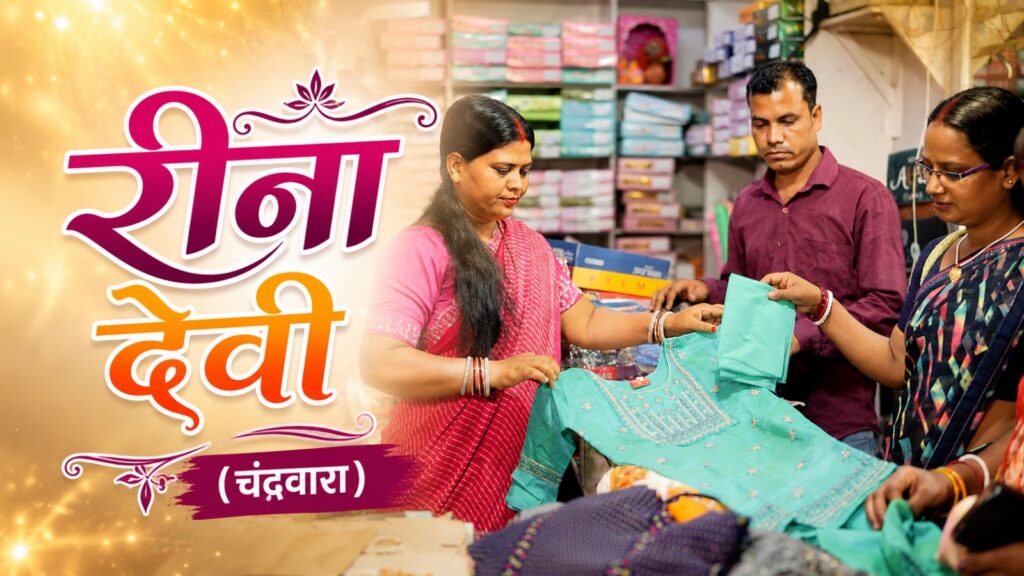
In Chandwara block, Reena Devi had no regular source of income before joining the scheme.
Instead of spending the monthly assistance immediately, she accumulated the money over time and used it to start a small clothing business. Today, the shop contributes to her family’s income and has given her greater financial independence.
Her story reflects a broader trend seen in many rural economies, where women often reinvest earnings into household welfare, children’s education and business expansion.
Building Confidence Through Commerce
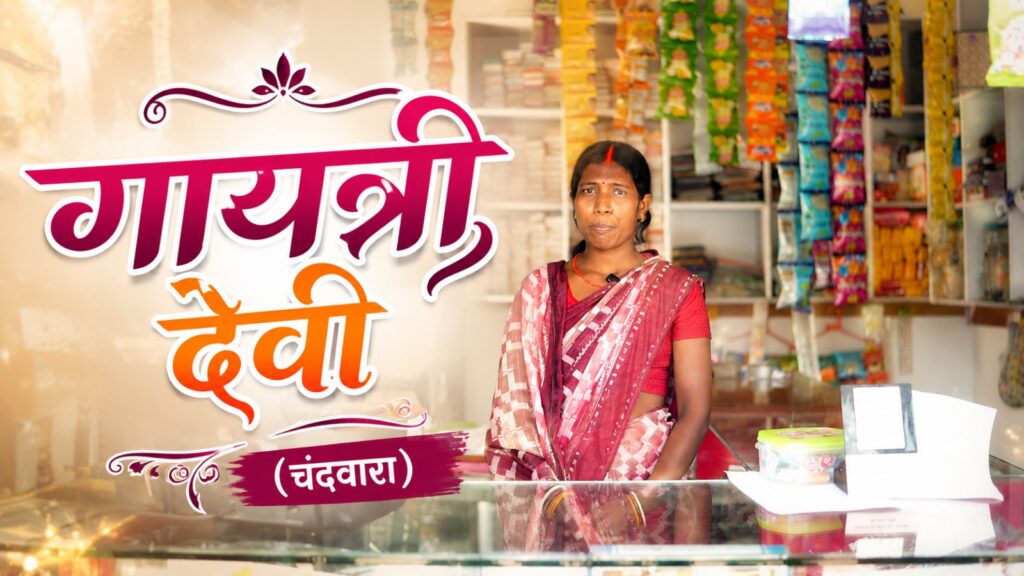
Also from Chandwara, Gayatri Devi used the assistance to establish a neighbourhood grocery store.
The steady income from the shop now helps meet everyday household expenses while reducing dependence on irregular earnings. More importantly, she says, it has strengthened her confidence in managing money and making business decisions.
Turning Assistance into Assets
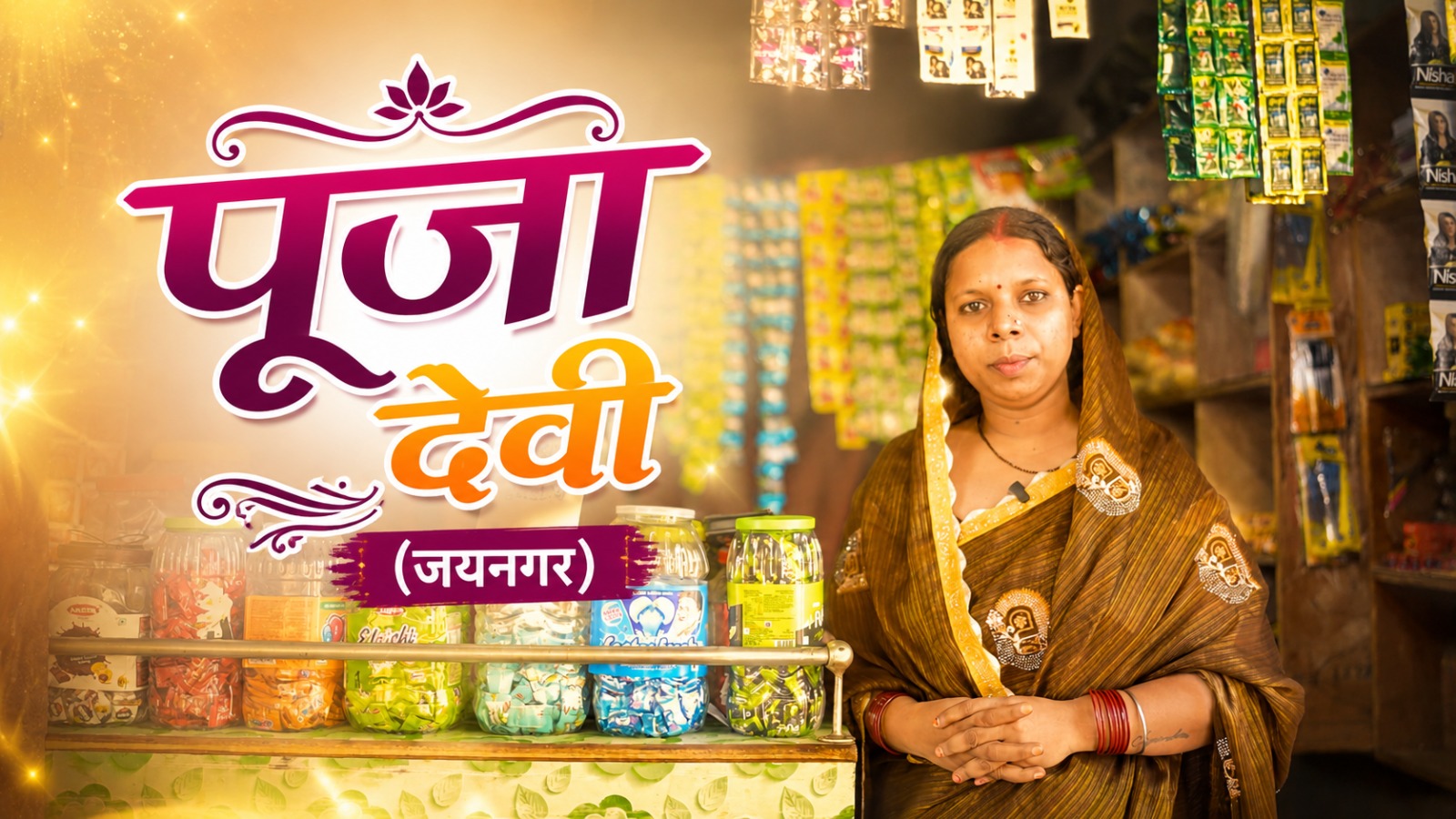
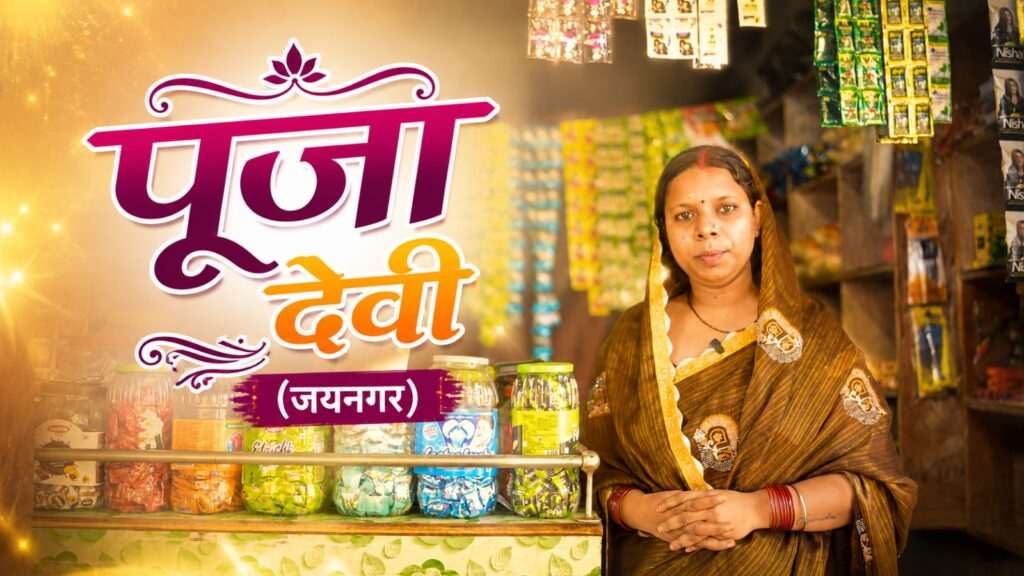
In Jayanagar, Pooja Devi transformed the financial support into an opportunity to operate a ration shop after struggling with irregular employment.
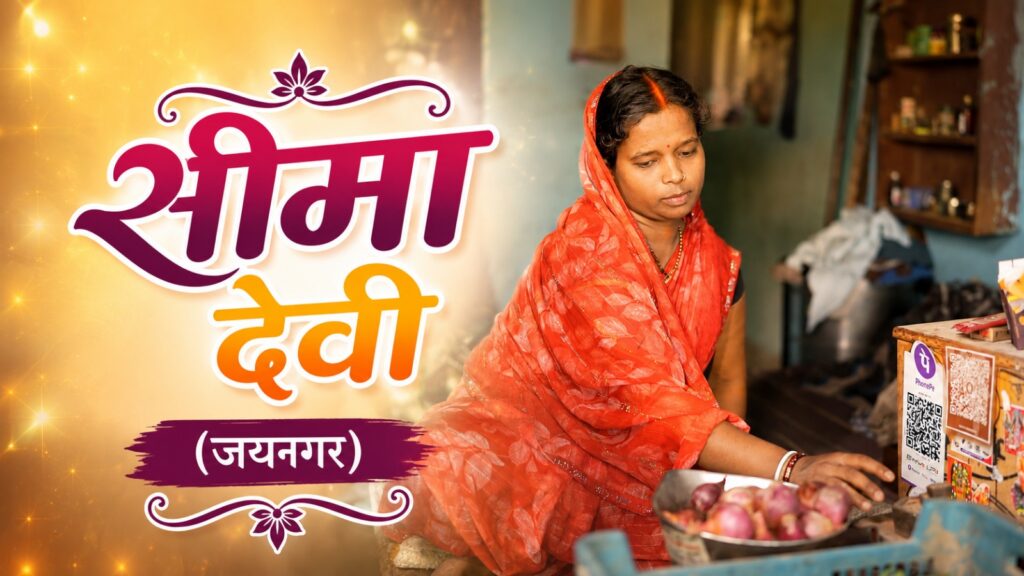
Another beneficiary, Seema Devi, already operated a small stall selling vegetables and puja materials. By adding the monthly assistance to her business capital, she expanded her inventory, improved sales and increased her earnings.
Rather than replacing existing livelihoods, the scheme has enabled women like Seema to strengthen and diversify them.
Rural Manufacturing Finds New Momentum
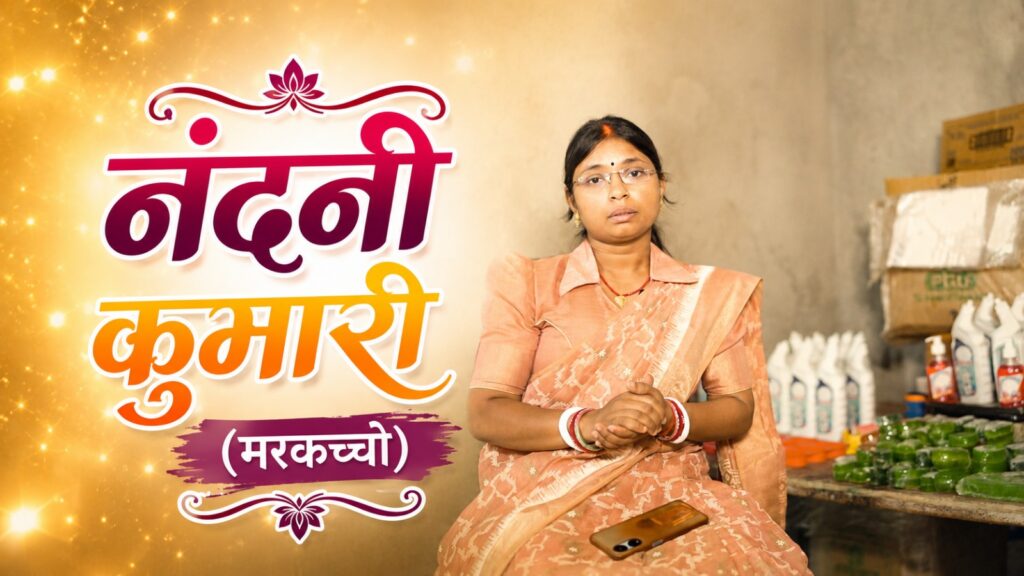
One of the more compelling examples comes from Markacho, where Nandani Kumari invested in local soap manufacturing.
Her enterprise now serves nearby markets and demonstrates how small-scale manufacturing can create value within rural communities. Beyond increasing her household income, the venture has also contributed to local employment opportunities.
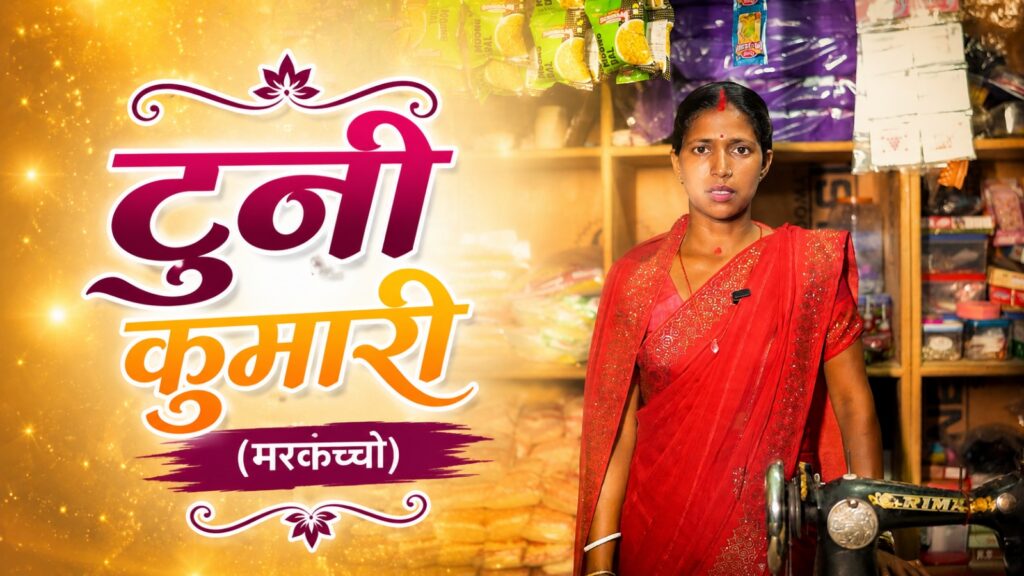
Meanwhile, Tuni Kumari, also from Markacho, used the assistance to establish a ration shop that now provides her family with a more stable source of income.
Beyond Welfare: What These Stories Reveal
Social protection programmes are usually measured by the number of beneficiaries or the amount of financial assistance distributed.
Koderma’s experience points to another dimension.
When households receive predictable financial support, some beneficiaries begin to save instead of merely spending. Those savings can become productive investments, particularly in regions where access to affordable credit remains limited.
Development economists have long argued that reducing financial uncertainty encourages families to take measured entrepreneurial risks. The experiences emerging from Koderma offer a practical example of this principle.
Not every beneficiary will become an entrepreneur, nor will every enterprise succeed. Yet these stories suggest that regular cash transfers can encourage income-generating activities rather than simply supporting consumption.
The Next Challenge
While these success stories are encouraging, sustaining rural entrepreneurship requires more than financial assistance.
Women-led enterprises continue to face familiar challenges:
- Limited access to affordable credit
- Inadequate business and financial management training
- Weak market linkages
- Limited branding and packaging support
- Low digital and financial literacy
- Difficulty scaling beyond local markets
Integrating the Mukhyamantri Maiyan Samman Yojana with self-help groups, skill development initiatives, digital commerce platforms and microfinance institutions could significantly enhance the long-term impact of these enterprises.
Why It Matters for Jharkhand
Women’s entrepreneurship remains one of the most underutilised drivers of rural economic growth.
When women earn independently, household spending often shifts towards education, nutrition and healthcare. Stronger participation in local markets also stimulates village economies, supports small businesses and creates multiplier effects across communities.
For Jharkhand, which is working to diversify its economy and promote inclusive development, the emergence of women-owned micro-enterprises offers an encouraging trend.
The stories from Koderma may be modest in scale, but they raise an important policy question.
Can welfare programmes evolve from social protection schemes into platforms for entrepreneurship?
If the answer is yes, their long-term impact could extend far beyond household welfare.
JharkhandInc Insight
Cash transfer programmes are often viewed primarily as welfare measures. Koderma offers a different perspective.
For a section of beneficiaries, the monthly assistance has become risk capital. It is helping women test business ideas, supplement family incomes and build economic confidence.
The next phase should focus on creating an ecosystem around these entrepreneurs. Access to credit, mentoring, market connectivity, digital payments, branding support and enterprise training will determine whether today’s micro-businesses evolve into sustainable rural enterprises.
If that transition succeeds, the Mukhyamantri Maiyan Samman Yojana could become more than a social welfare initiative. It could emerge as one of Jharkhand’s most significant grassroots entrepreneurship models, demonstrating how predictable financial support can unlock enterprise, dignity and long-term economic participation.
At a Glance
| Scheme | Mukhyamantri Maiyan Samman Yojana |
|---|---|
| District | Koderma |
| Monthly Assistance | Rs 2,500 |
| Emerging Impact | Women’s entrepreneurship, financial inclusion, micro-enterprises, household income growth |
| Businesses Started | Clothing retail, grocery stores, ration shops, expansion of vegetable and puja material businesses, soap manufacturing |
Source: District Public Relations Office, Koderma; JharkhandInc reporting and analysis.











Jharkhand to Establish First Film and Television Institute with SRFTI

Jharkhand’s Moment on the National Stage: Santhali Film Angen Wins 72nd National Film Award

From Welfare to Enterprise: How Rs 2,500 a Month Is Helping Women Build Businesses in Koderma

Palash: How Jharkhand’s Women’s Collective Became a Global Case Study

Bokaro Thermal Power Plant Shut Down, DVC Faces Heavy Costs

Toxic Profits: The Hidden Economy Behind India’s Polluted Rivers
From Welfare to Enterprise: How Rs 2,500 a Month Is Helping Women Build Businesses in Koderma

Jharkhand’s Solar Policy: Decentralised Energy in Practice
