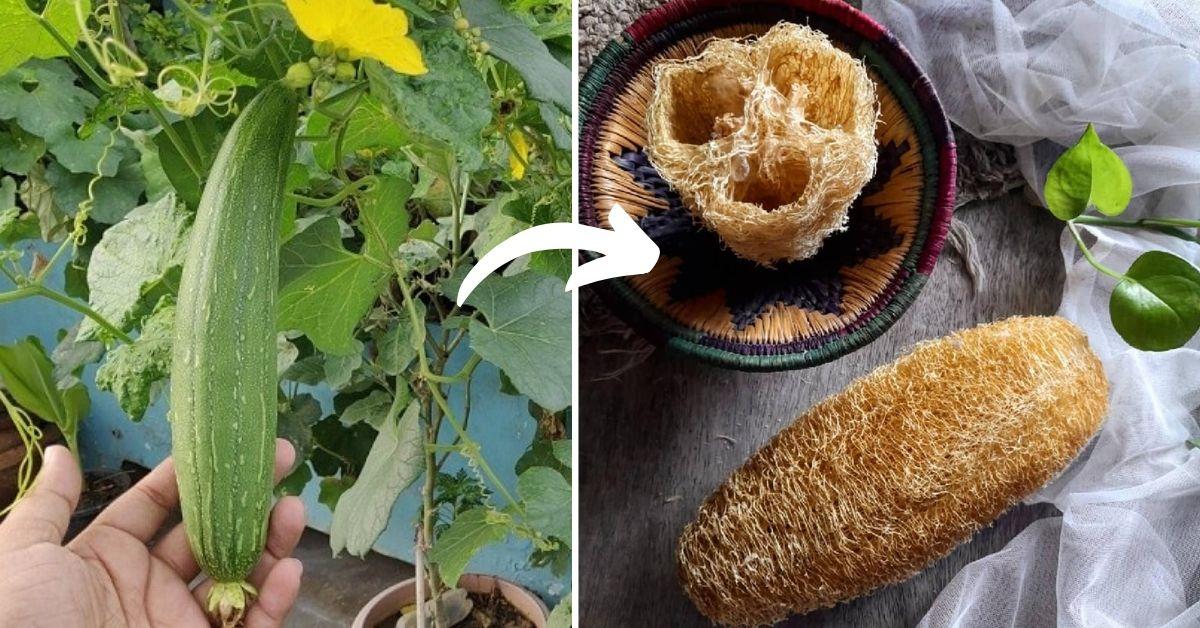
Palamu Women Turn Discarded Ridge Gourd into Herbal Loofah, Build New Income Stream
With increasing consumer preference for natural and chemical-free products, herbal loofah made from dried ridge gourd is gaining traction in urban markets. The product, once overlooked and discarded, is now being sold online at attractive prices.
Women living in and around the Palamu Tiger Reserve are being trained to produce these loofahs under a skill development initiative run by the forest department. The programme, part of a broader livelihood push, is helping rural households explore alternative income sources.
Trainees say the initiative has opened up new opportunities. Many women, who earlier had limited earning options, are now producing loofahs along with other products such as macramé items, bags, and basic beauty services.
Livelihood Shift
The activity requires minimal investment, making it accessible for rural households. With proper cleaning, drying, and shaping, ridge gourd sponge can be converted into a market-ready loofah.
Participants say that better packaging and online marketing can significantly enhance earnings, given the growing demand for eco-friendly bath products.
Market Potential
- Rising urban demand for natural bath products
- Scope for branding and online sales
- Opportunity for SHGs and rural collectives
- Export potential in eco-friendly segment
This is a classic example of value addition at the grassroots. What was once agricultural waste is now part of a niche eco-product market.
If scaled with branding, aggregation, and digital access, such initiatives can evolve from small livelihood support to a sustainable rural enterprise model in Jharkhand.