


Business Organization
Gas Supply Crunch Hits Jharkhand’s Wedding Season, Chamber Flags PNG VAT Burden
Jharkhand Chamber flags LPG shortage during wedding season, seeks PNG VAT cut from 15% to ease consumer burden.

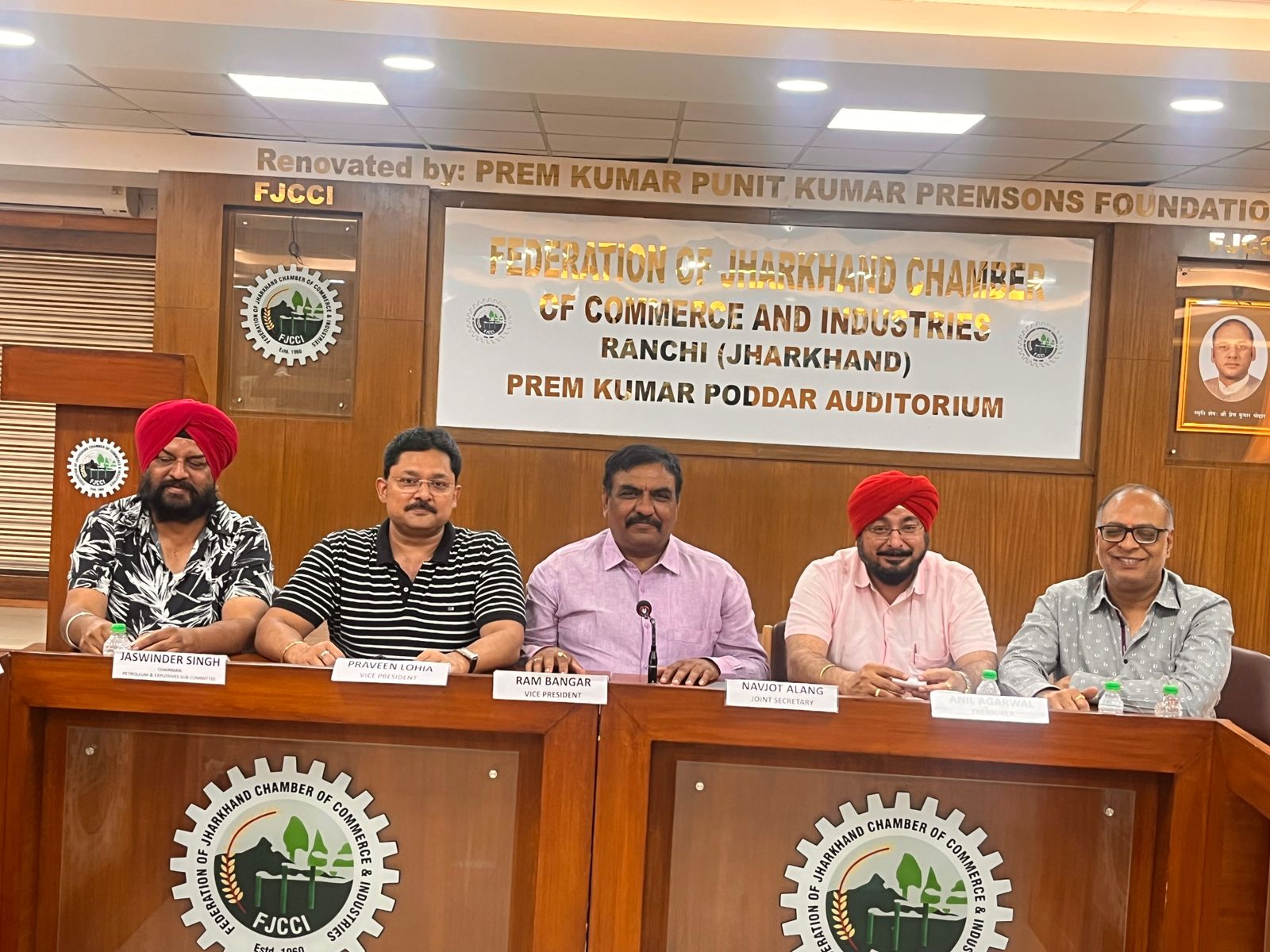
A seasonal demand spike has exposed deeper structural gaps in Jharkhand’s fuel supply chain, with businesses and households facing a shortage of LPG cylinders just as the wedding season begins.
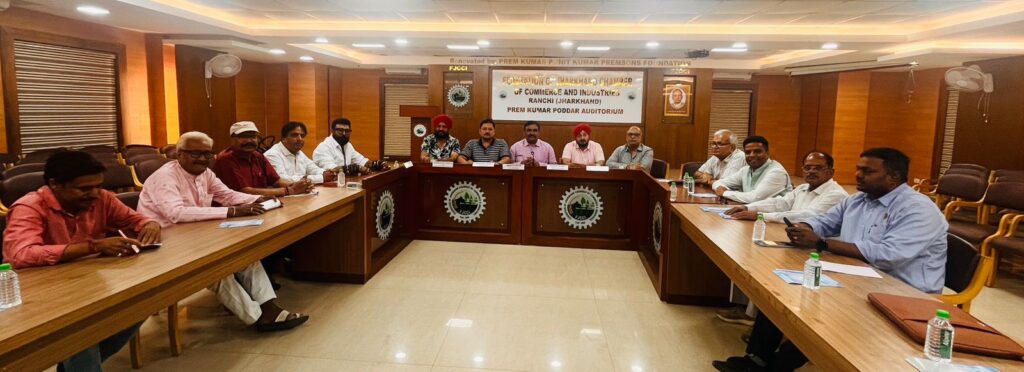
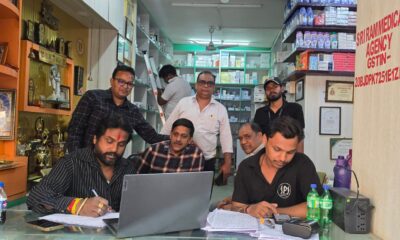
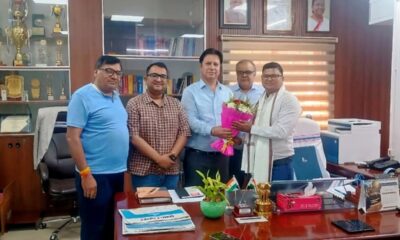
At a meeting of the Petroleum and Explosives Sub-Committee of the Federation of Jharkhand Chamber of Commerce and Industries, members flagged delivery disruptions in both domestic and commercial gas cylinders, warning of immediate impact on consumers and service sectors.
Wedding season stress: Demand rises, supply falters
The timing has made the situation more acute.
With weddings underway, demand for LPG has surged across households, hotels and banquet halls. However, supply has not kept pace.
“Limited availability of gas cylinders during the wedding season is becoming a serious concern,” said Chamber Vice President Ram Bangar, adding that hotels, banquet halls and industrial units are struggling due to irregular supply.
For many, this is not just a supply issue.
It is a direct hit on seasonal revenue.
Hotels, banquet halls and small businesses under pressure
The shortage is now spilling into the local economy.
Operators of hotels and banquet halls reported disruptions in service, with inconsistent cylinder supply affecting daily functioning.
“Supply is not reaching restaurants and banquet operators in required quantities, which is impacting business operations,” Bangar said, urging the administration to ensure timely availability.
PNG expansion faces policy roadblock
Alongside LPG supply concerns, the meeting highlighted bottlenecks in the rollout of Piped Natural Gas (PNG) connections.
Members pointed to high taxation as a key barrier.
Jharkhand currently levies 15 percent VAT on PNG, compared to 5 percent in neighbouring Bihar.
“Higher VAT on PNG is increasing the financial burden on consumers in Jharkhand,” said Co-Secretary Navjot Alang, calling for a reduction to bring parity with neighbouring states.
The tax debate: Cost vs clean energy transition
The Chamber has demanded a reduction in PNG VAT, framing it as both an economic and environmental issue.
“Reducing VAT will provide relief to consumers already affected by inflation and encourage adoption of cleaner fuel,” said Sub-Committee Chairman Jaswinder Singh.
The Chamber argues that rationalising tax rates could ease LPG demand pressure while accelerating PNG adoption.
Execution gaps: Connections vs activation
Another concern flagged was the delay in activating existing PNG connections.
“Procedural hurdles in getting PNG connections operational must be removed so more consumers can benefit,” said Vice President Praveen Lohia.
Members stressed that even where infrastructure exists, lack of activation is slowing adoption.
What this means for Jharkhand
This is not just a seasonal supply issue. It reflects a broader policy gap.
- Short-term: LPG shortages disrupting households and businesses
- Medium-term: PNG rollout slowed by high taxation and execution delays
- Long-term: Lack of fuel transition strategy
The situation highlights the need for coordinated action between supply agencies and state policy.
The larger question
Jharkhand stands at a familiar crossroads.
Continue managing recurring supply crises
or build a stable, diversified fuel ecosystem
The answer will determine whether such shortages remain seasonal disruptions or become structural realities.







Jharkhand pushes innovation agenda

Ranchi turns vertical


