

Policy & Governance
Supreme Court Reserves Verdict on Saranda, Sasangdaburu
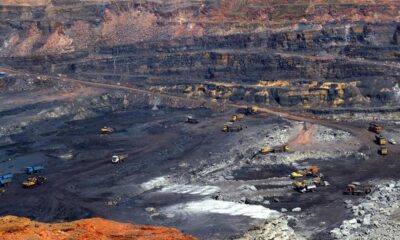
The Supreme Court has reserved its judgment on the notification of Saranda Wildlife Sanctuary and Sasangdaburu Conservation Reserve in Jharkhand. The case highlights delays in conservation, disputes over mining near the forest, and the state’s commitment to preserving 38 percent of its land as forest.










Art & Culture2 weeks ago
Jharkhand lays foundation for film talent pipeline with SRFTI partnership

Art & Culture3 weeks ago
Jharkhand to Establish First Film and Television Institute with SRFTI

Art & Culture3 weeks ago
Jharkhand’s Moment on the National Stage: Santhali Film Angen Wins 72nd National Film Award

Policy & Governance11 months ago
Palash: How Jharkhand’s Women’s Collective Became a Global Case Study

Business & Industry5 months ago
India International Mega Trade Fair 2026 in Ranchi

Business & Industry9 months ago
Bokaro Thermal Power Plant Shut Down, DVC Faces Heavy Costs

Districts3 weeks ago
From Welfare to Enterprise: How Rs 2,500 a Month Is Helping Women Build Businesses in Koderma

Policy & Governance7 months ago
Jharkhand’s Solar Policy: Decentralised Energy in Practice

Policy & Governance10 months ago