Jharkhand is steadily repositioning itself as a tourism destination defined not by spectacle, but by continuity. Rooted in the relationship between land, people, and living traditions, the state is shaping a travel narrative that values coexistence over contrast and depth over display.
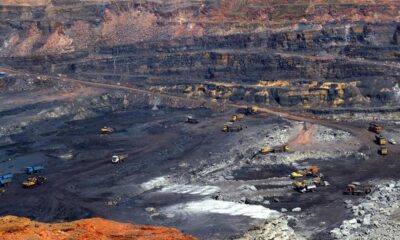
As Jharkhand marks 25 years of statehood, the government is reframing a development story long associated with extraction toward one centred on attraction. Under the leadership of Hemant Soren, tourism is emerging as a key pillar of this transition, with an emphasis on sustainable growth, community livelihoods, and responsible investment.
Much of Jharkhand’s tourism character flows from its geography. Spread across the Chotanagpur Plateau, the state’s forests, rocky terrain, and river systems form everyday landscapes rather than isolated destinations. Waterfalls such as Hundru Falls, Dassam Falls, Jonha Falls, and Lodh Falls are woven into local life, shaping movement, belief systems, and seasonal rhythms.
The capital city, Ranchi, often described as the City of Waterfalls, acts as the gateway to this experience. While remaining the administrative hub, Ranchi retains a close relationship with hills, lakes, and forests, offering travellers accessibility without detachment from nature.
Beyond landscapes, Jharkhand’s tourism strength lies in its indigenous heritage. Nearly two-fifths of the state’s population belongs to indigenous communities, whose languages, festivals, and art forms remain living practices. Festivals such as Sarhul, Karam, Sohrai, and Tusu continue to reflect agricultural cycles and collective life, while artistic traditions like Sohrai and Kohbar painting, Paitkar art, Dokra metalwork, and Chhau masks link creativity directly to land and belief.
Spiritual and historical sites further deepen the tourism map. Pilgrimage centres such as Baidyanath Dham, Rajrappa, Deori Mandir, and Pahadi Mandir coexist with heritage clusters like the Maluti temples and Palamu Fort, where history blends seamlessly into forested surroundings.
Adding a distinctive layer is McCluskieganj, a rare Anglo-Indian settlement known for its colonial-era architecture and quiet, wooded landscape. Increasingly popular as a heritage retreat, it offers visitors a lesser-known chapter of India’s cultural history.
Adventure and experiential tourism are also gaining ground. Jharkhand’s terrain supports trekking, trail cycling, rock climbing, waterfall rappelling, paragliding, river-based activities, and nature trails. The state’s strong sporting culture, particularly in hockey and archery, alongside growing interest in aviation and endurance sports, is reinforcing this segment. Importantly, many of these activities are being supported by local guides and community-led institutions, ensuring inclusion and safety while strengthening local livelihoods.
At its 25-year milestone, Jharkhand is actively inviting investment across eco-tourism, heritage conservation, adventure infrastructure, hospitality, and community-based experiences. The focus remains on sustainability and cultural sensitivity, with the aim that tourism growth enhances ecological balance while delivering long-term economic value.
Taken together, these elements position Jharkhand as a destination for varied travellers, from nature lovers and spiritual seekers to heritage explorers, adventure enthusiasts, families, and those seeking slower, more meaningful journeys. As the state looks ahead, tourism is being framed as a bridge between past and future, turning landscapes of legacy into landscapes of opportunity.