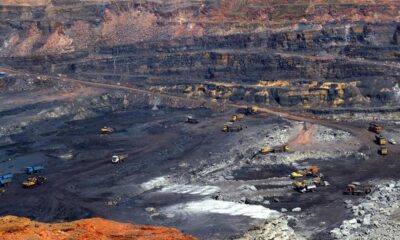
As many as 58 mines operated by the Jharkhand State Mineral Development Corporation (JSMDC) have been shut down across the state, triggering a livelihood crisis for more than 10,000 people and dealing a major blow to the local economy.
Jharkhand, one of India’s most mineral-rich states, is witnessing growing unemployment in mining-dependent regions due to prolonged regulatory delays, administrative hurdles and operational failures.
In August 2024, the Sikni Colliery in Ranchi district was closed, leaving over 2,500 workers without jobs. Several other mines in Chatra, Lohardaga, Ramgarh and Seraikela-Kharsawan districts have remained non-operational for more than a decade.
Local economy under strain
The mine closures have affected not only workers but also transporters, small traders, shopkeepers and service providers who rely on mining activity. Entire micro-economies built around mining belts have slowed down, forcing families to seek alternative livelihoods or migrate for work.
Mining officials acknowledged that many mines have been inactive since the mid-1990s due to lack of statutory clearances and outdated operational systems.
Key reasons behind shutdowns
According to officials and experts, the main reasons for the mine closures include:
- Delay in environmental and forest clearances
- Pending mining plan approvals
- Technological and safety compliance gaps
- Failure in tendering and contractor selection processes
Of the 49 mines allotted by the state government in 2021, most have yet to become operational because of regulatory bottlenecks.
Governance challenges
Experts point to frequent leadership changes in JSMDC and weak coordination between the state mining department and central authorities as major contributors to the crisis.
“Compared to private and central public sector mining companies, JSMDC lacks technological capacity and financial strength. This affects both production and revenue generation,” said a mining sector analyst based in Ranchi.
Contractors selected through tenders have often failed to meet technical and safety standards, further delaying the restart of operations.
Official response
State officials said efforts are underway to revive closed mines through fresh tenders and regulatory approvals.
“Many mines were closed earlier due to absence of forest clearance. Forest Diversion Proposals and new tenders are currently under process. Operations will resume in phases once approvals are received,” a senior JSMDC official said.
However, on-ground reports indicate that progress remains slow. In Sikni village near Chanda, mining operations remain suspended despite a change in operator, with workers employed only briefly during contractor transition.
Economic implications
Prolonged mine closures are leading to:
- Rising unemployment in mining regions
- Decline in royalty and state revenue
- Migration of skilled labour
- Growth of informal and unsafe mining activities
Economists warn that unless the state modernises its mining administration and streamlines approval processes, Jharkhand risks losing its competitive edge in the mineral sector.
A growing paradox
The situation highlights a deeper contradiction in Jharkhand’s development story — vast mineral wealth but weak institutional capacity to manage it effectively.
Without faster clearances, professional management of state mining enterprises and investment in modern technology, the state’s mining sector may continue to struggle between environmental compliance and economic stagnation.