

Economy & Development
Jharkhand launches ‘Mines to Minds’ vision with AI and investment policies

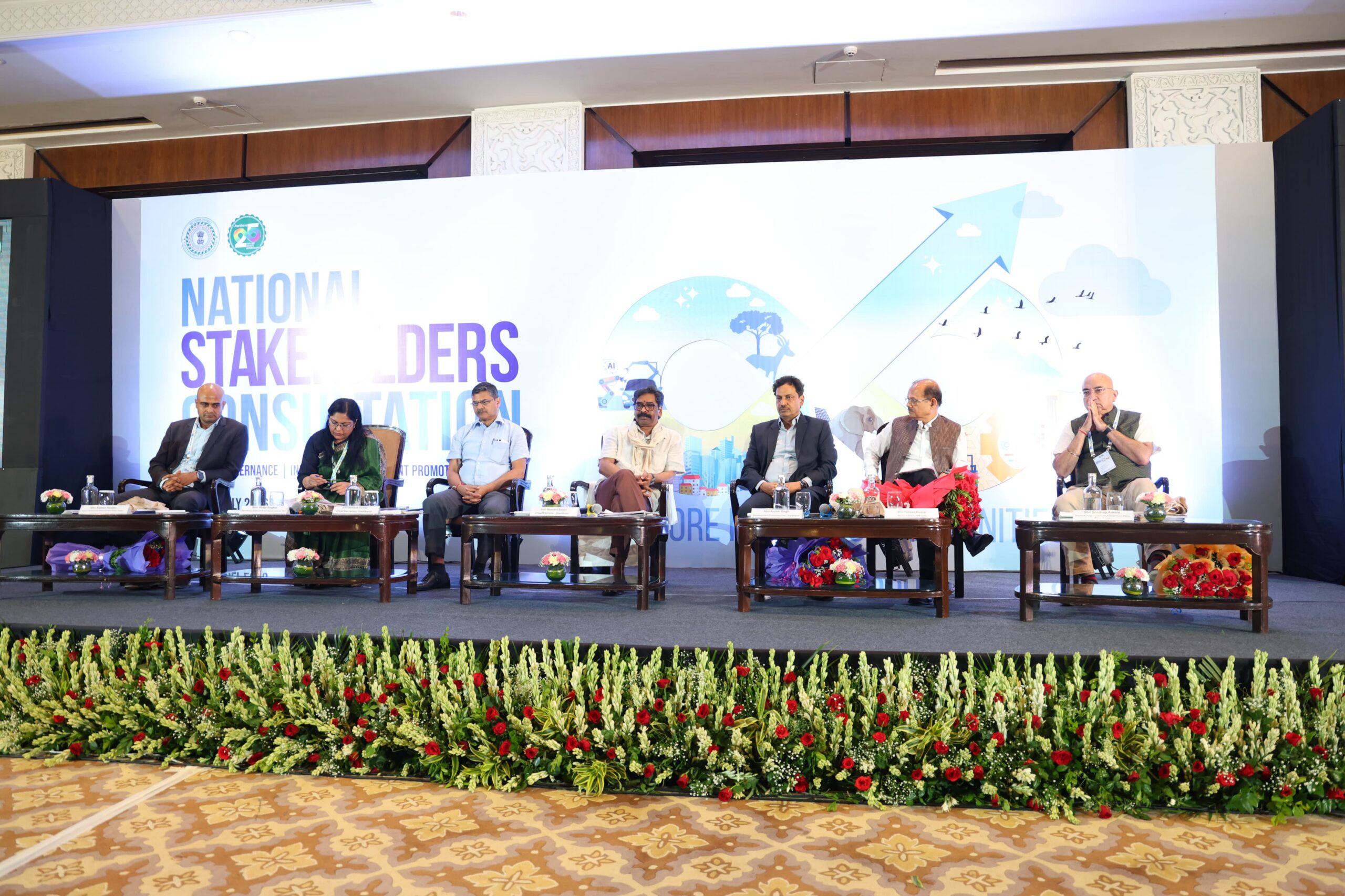
Signalling a strategic shift from a resource-dependent economy to an innovation-led growth model, the Jharkhand government on Wednesday launched a two-day National Stakeholders Consultation to finalise six key policies aimed at attracting investments, accelerating digital transformation and promoting sustainable industrial development.
Inaugurating the consultation, Chief Minister Hemant Soren articulated a new vision for the state, declaring that Jharkhand’s future should be defined not only by its mineral wealth but also by its intellectual capital.
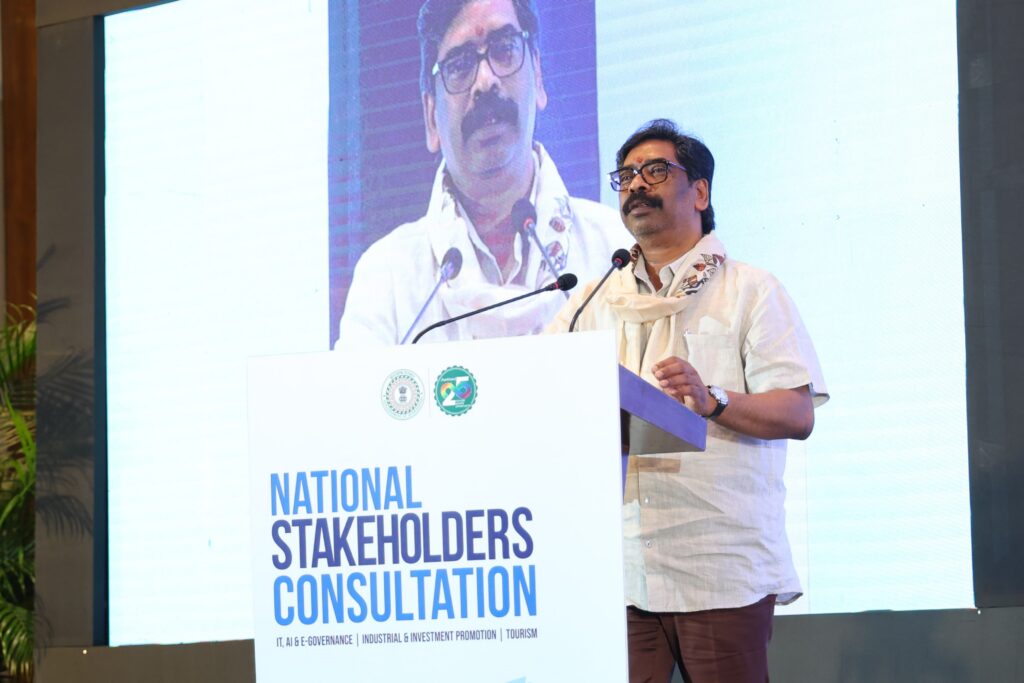
“Jharkhand’s identity should not be limited to mines but should also be defined by minds. We must move beyond extraction towards innovation and build a knowledge-based economy,” Hemant Soren
The consultation brings together policymakers, industry leaders, technology companies, investors and subject experts to deliberate on six draft policy frameworks before they are placed before the Cabinet. These include the Jharkhand Industrial Investment Promotion Policy, Artificial Intelligence Policy, Tourism Policy, Textile Policy, JIADA Regulations, and the Public-Private Partnership (PPP) Policy.
Building a future-ready economy
Jointly organised by the state’s Information Technology, Industries and Tourism departments, the exercise reflects the government’s attempt to align Jharkhand’s policy framework with emerging sectors such as artificial intelligence, digital governance, advanced manufacturing and high-value services.
The opening day’s discussions centred on AI, digital infrastructure, innovation ecosystems and technology-enabled governance. Representatives from global technology firms, including Microsoft, Google and IBM, participated in the deliberations, offering recommendations on strengthening digital infrastructure, improving ease of doing business and expanding technology adoption across sectors.
A dedicated Business-to-Government (B2G) session explored opportunities for collaboration in AI, information technology and digital public infrastructure, with discussions focusing on investment facilitation, employment generation and building a competitive innovation ecosystem.
Participatory policymaking
Soren said the consultation underscores the government’s commitment to evidence-based and participatory policymaking, adding that stakeholder feedback would be incorporated before the policies receive Cabinet approval.
“Our objective is not merely industrial growth but inclusive and sustainable development that creates employment and improves livelihoods,” he said.
Chief Secretary Avinash Kumar emphasised that technology would remain central to Jharkhand’s long-term development strategy, while Development Commissioner Ajay Kumar Singh outlined initiatives aimed at creating a more investor-friendly ecosystem.
Investment focus
The second day of the consultation is expected to focus on industrial and textile policies and may culminate in the signing of investment agreements across key sectors.
The policy exercise comes as Jharkhand seeks to diversify beyond mining by attracting investments in manufacturing, digital services, tourism, textiles and emerging technologies. The government hopes the new policy framework will strengthen the state’s competitiveness, improve the investment climate and position Jharkhand as a preferred destination for knowledge-intensive industries.
Why it matters
For decades, Jharkhand’s economy has been closely linked to mining and heavy industries. The “Mines to Minds” narrative signals the government’s intention to complement its resource base with investments in technology, innovation, skills and digital infrastructure. If backed by effective implementation, the proposed policy package could broaden the state’s economic base, create higher-value jobs and enhance its attractiveness to domestic and global investors.










Saffron robes may mark renunciation, but they do not define it: Swami Niranjanananda

Traffic challans dominate Ranchi Lok Adalat

Modi’s 76th birthday: month-long celebrations planned

Sudesh Mahto seeks ST status for Kudmi from Amit Shah

Rural economy key to inclusive growth, says Dipika

Ganga crosses four-year high in Sahibganj at 28.72 metres

JMM seeks probe into donations to unrecognised parties

BJP announces protests across Jharkhand over student cases

Jharkhand minister Sudivya Kumar Sonu dies in Giridih

BJP announces protests across Jharkhand over student cases

Jharkhand power bill to rise from April 1 as JSERC hikes electricity tariff

India International Mega Trade Fair 2026 in Ranchi

Ranchi to Get Jharkhand’s Largest Mall with Integrated ISBT

Palash: How Jharkhand’s Women’s Collective Became a Global Case Study

Nitin Gadkari Unveils ₹2 Lakh Crore Road Plan for Jharkhand

Bokaro Thermal Power Plant Shut Down, DVC Faces Heavy Costs

Toxic Profits: The Hidden Economy Behind India’s Polluted Rivers

Rivers on Life Support: The Poisoned Veins of Eastern India

BMW Industries to Invest Rs 803 Crore in Steel Plant at Bokaro, Jharkhand

Jharkhand Tribal Cinema: From Culture to Commerce

From Welfare to Enterprise: How Rs 2,500 a Month Is Helping Women Build Businesses in Koderma

Jharkhand’s Solar Policy: Decentralised Energy in Practice

JMM Exits Mahagathbandhan, Will Not Contest Bihar Assembly Polls

Birsa Munda’s Legacy Inspires Tribal Enterprise Push
