


Policy & Governance
Jharkhand flags MGNREGA dues, opposes 40% state share in new rural scheme
Jharkhand flags Rs 1,286 crore MGNREGA dues, seeks wage hike and opposes 40% state share in new rural scheme.

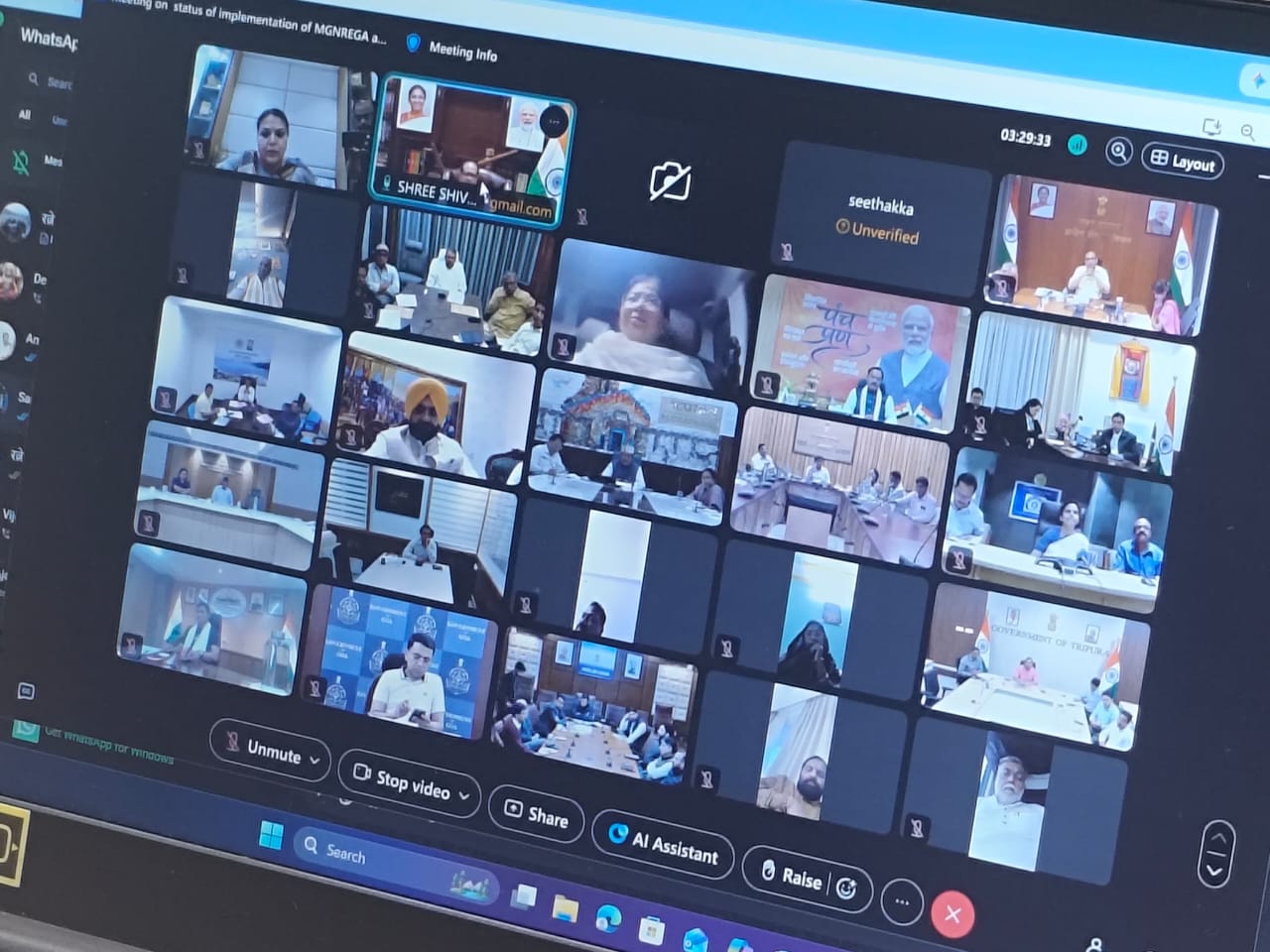
A critical fault line is emerging between states and the Centre over rural policy design, and Jharkhand has placed itself firmly at the centre of that debate.
At a virtual meeting chaired by Shivraj Singh Chouhan, the state flagged pending MGNREGA dues, stagnant wage rates, and fiscal concerns over a proposed new rural scheme.
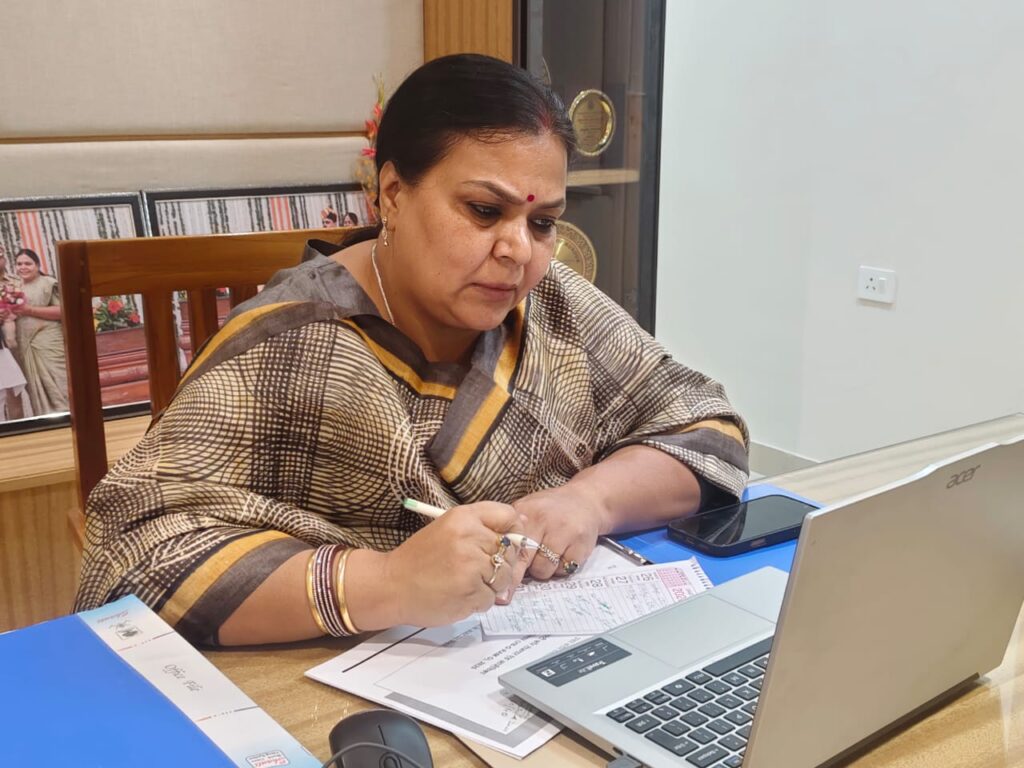
Representing Jharkhand, Rural Development and Panchayati Raj Minister Dipika Pandey Singh laid out a position that blends immediate financial stress with longer-term policy resistance.
Rs 1,286 crore pending: The immediate trigger
At the core of the state’s concern is delayed fund flow.
Jharkhand reported Rs 950 crore pending under the material component, Rs 300 crore in wages, and Rs 36 crore in administrative expenses, taking the total dues to Rs 1,286 crore.
According to the state, these delays are not just accounting gaps. They are directly affecting participation in rural employment programmes, with workers losing interest due to uncertainty in payments.
This is where the crisis becomes structural.
When wage assurance weakens, the scheme itself begins to lose credibility.
Wages vs inflation: A widening gap
Beyond dues, Jharkhand raised a broader issue that several states are quietly aligning on.
The current wage rates under MGNREGA are increasingly out of sync with rising inflation.
The state argued that without a revision, the scheme risks becoming unattractive for rural workers, particularly when migration offers relatively better income options.
This is not just a welfare concern. It is a labour market signal.
The 40% question: A new fault line
The sharper disagreement emerged over the proposed ‘Viksit Bharat Gram Ji Yojana’, where states are expected to bear 40 percent of the project cost.
Jharkhand has opposed this structure, calling it financially unsustainable.
For a state already managing limited fiscal space, such a model could shift rural development from a centrally supported framework to a state-burdened obligation.
The political signal is equally important.
Jharkhand has already passed a resolution in the Assembly seeking continuation of MGNREGA in its current form, indicating resistance to any dilution or restructuring.
Beyond 100 days: Employment vs migration
The state also pushed for expanding the scheme’s scope.
- Increase guaranteed work from 100 to 150 days
- Relax provisions related to work breaks
The argument is straightforward.
Reduced work availability leads to higher migration pressure.
In a state like Jharkhand, where seasonal migration is deeply linked to rural distress, MGNREGA is not just a scheme. It is a stabiliser.
What this means for policy
This is not an isolated objection. It reflects a larger shift in Centre-state dynamics on welfare design.
Three key signals emerge:
- Fiscal strain is shaping policy positions
- States want flexibility, not higher cost-sharing burdens
- MGNREGA remains politically and economically central to rural India
The coming months will be critical.
If dues are not cleared and structural concerns remain unaddressed, the friction could deepen, affecting both implementation and outcomes.
The larger question
At its core, this is a debate about responsibility.
Who funds rural India’s safety net?
Who designs it?
And who bears the political cost when it weakens?
For Jharkhand, the answer is clear.
Strengthen MGNREGA, clear dues, and avoid shifting the burden.
Whether the Centre agrees will shape the next phase of India’s rural policy framework.








Jharkhand pushes innovation agenda

Ranchi turns vertical


